Chapter VIII · the real ones
The strange epilogue of the Atlantis story is that we have actually found ancient, advanced, submerged places — and almost nobody is interested.
Pavlopetri sits four metres below the surface off the coast of southern Greece. It's roughly five thousand years old and unusually intact: a full town plan, buildings, a central square, a sophisticated water-management system with canals and drainage. Divers find amphora on the seabed, and small graves cut into the stone. Probably for babies. The streets are still legible — you can swim down them.
Thonis-Heracleion is the larger story. About 2,700 years old, it was a working port city during Plato's lifetime — the Egyptian gateway every foreign ship had to pass through to enter the country. It now sits beneath the Mediterranean off the Egyptian coast, rediscovered only in 2000 by Franck Goddio's team. Archaeologists have excavated roughly five percent of it. They are still pulling colossal statues, anchors, gold coins, and entire temples out of the mud. Almost no public attention has followed.
Akrotiri is the candidate the academy actually argued about for a long time. A Bronze-Age city on the volcanic island of Thera — modern Santorini — it had hot and cold running water piped through the walls, frescoed buildings, sophisticated drainage. Before Rome. Before Athens. Then around 1600 BC the volcano erupted, the city was buried in ash, and an advanced island culture was wiped out almost overnight. The dimensions don't quite match Plato. The pattern — wealthy, island, advanced, suddenly gone — does. Most scholars have quietly moved away from this one in the last couple of decades, but it's the closest the mainstream ever got.
The most striking lost world isn't usually called a “lost city” at all. Between roughly 12,000 and 8,000 years ago, the southern North Sea was an entire continent — Doggerland — connecting Britain to mainland Europe. Forests. River systems. Communities that lived there for thousands of years. Sea levels rose; the coastline crept in century by century; and around 6200 BC, a massive underwater landslide off the coast of Norway — the Storegga Slide — triggered a tsunami that may have wiped out a quarter of Britain's coastal population in a single event. Fishing trawlers in the North Sea still pull mammoth bones and stone tools off the seabed. Nearly every culture on Earth has a flood myth. Atlantis may be one of them.
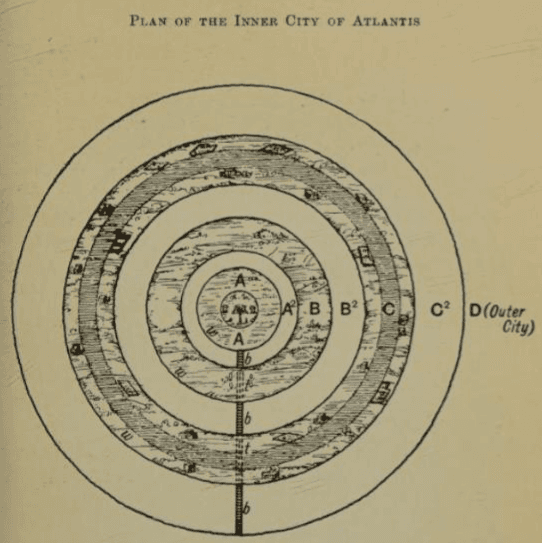
A circle is not a layout for a city. It is something more powerful — a logo. There's no beginning or end. It is perfectly symmetrical. It references the cosmic order. A city made of concentric circles is a diagram of perfection.
None of these places — Pavlopetri, Thonis-Heracleion, Akrotiri, Doggerland — meet the only criterion the modern imagination actually cares about. They aren't concentric. So they do not surface in the algorithm. What does surface, over and over, is the opposite pattern: a diver finds something at Yonaguni, off Japan, that looks like steps. A snorkeler finds “columns” off Zakynthos. A satellite catches the Richat Structure. The geologists arrive later — sandstone fractures, methane-vent concretions, a magma dome — and the divers do not stop believing. The wanting outlasts the evidence.
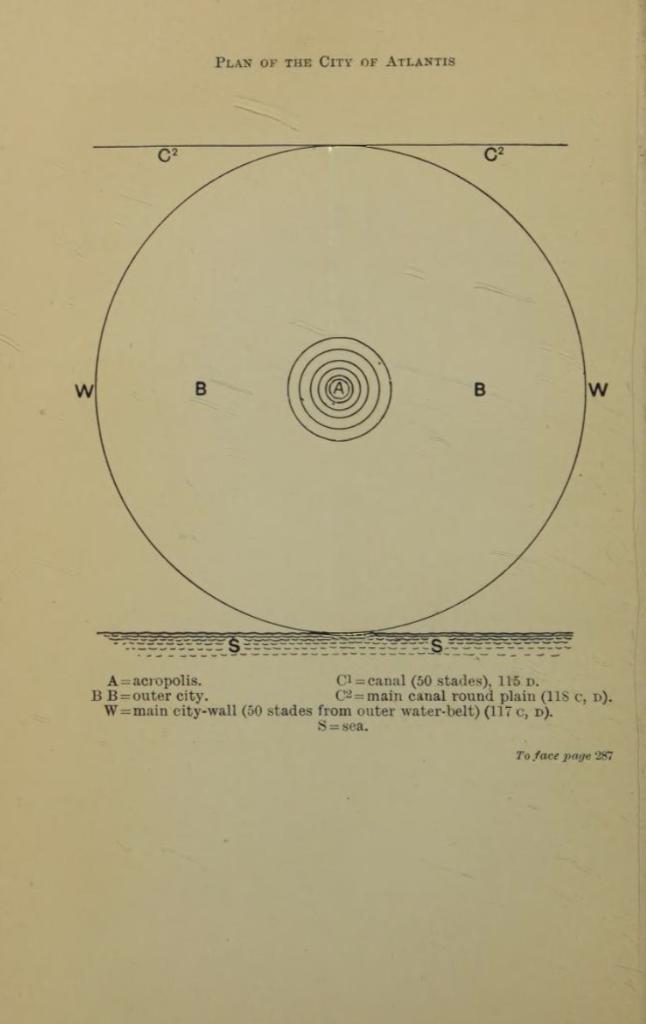
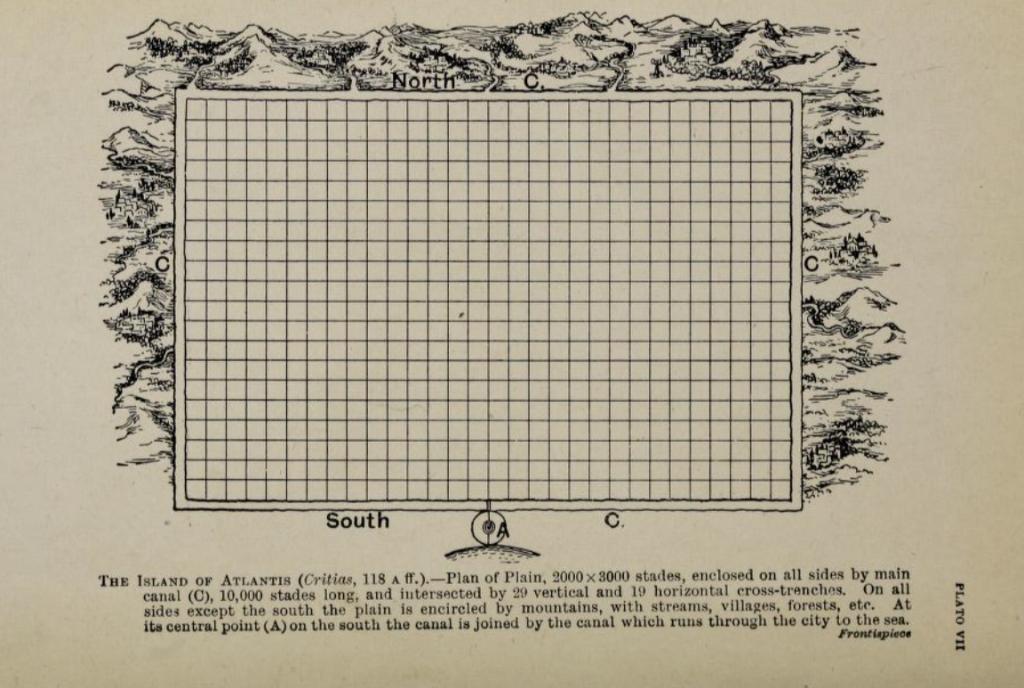
That's why the second drawing disappeared. The blueprint had pieces — a second canal, a plain the size of Spain, real geography — that couldn't be condensed into a symbol. The logo, by definition, refuses to share frame with anything. Pavlopetri, Akrotiri, Thonis-Heracleion are everything Atlantis claims to be. Doggerland is the actual lost world. None of them looks like the icon, so none of them is allowed to be the answer.
The image we recognise — three perfect concentric rings, seen from above — is not just incomplete. It is misleading. When you cut those rings open and look at the city from the side, in section, you find something Plato seems to have been trying to hide. That's where Part 2 begins.
I went snorkelling once and there was this moment where part of me was secretly hoping I'd find something. Some shape in the rock that didn't look natural. I think most of us, given a mask and quiet water, would. The wanting is the problem the booklet is really about.
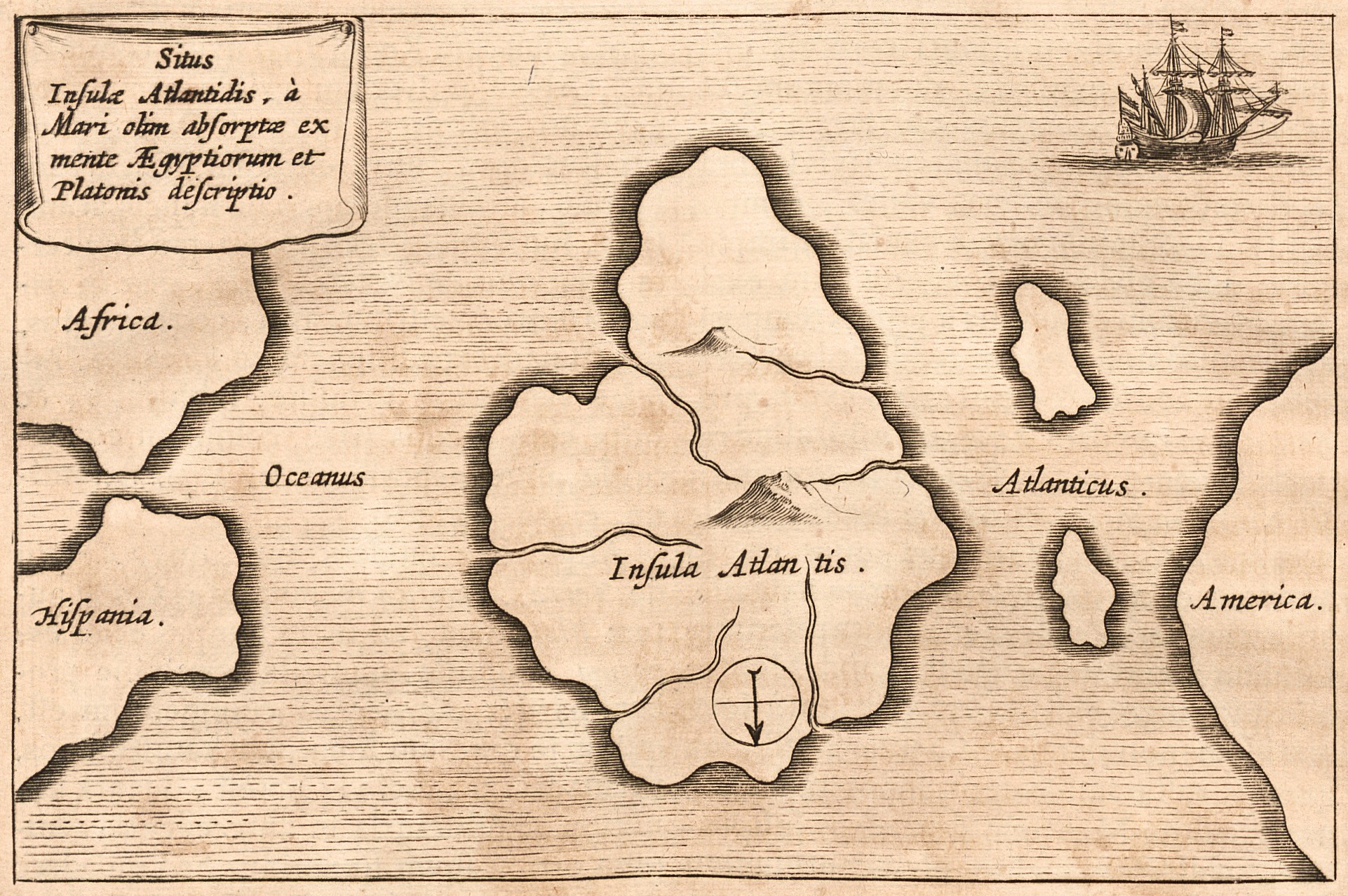

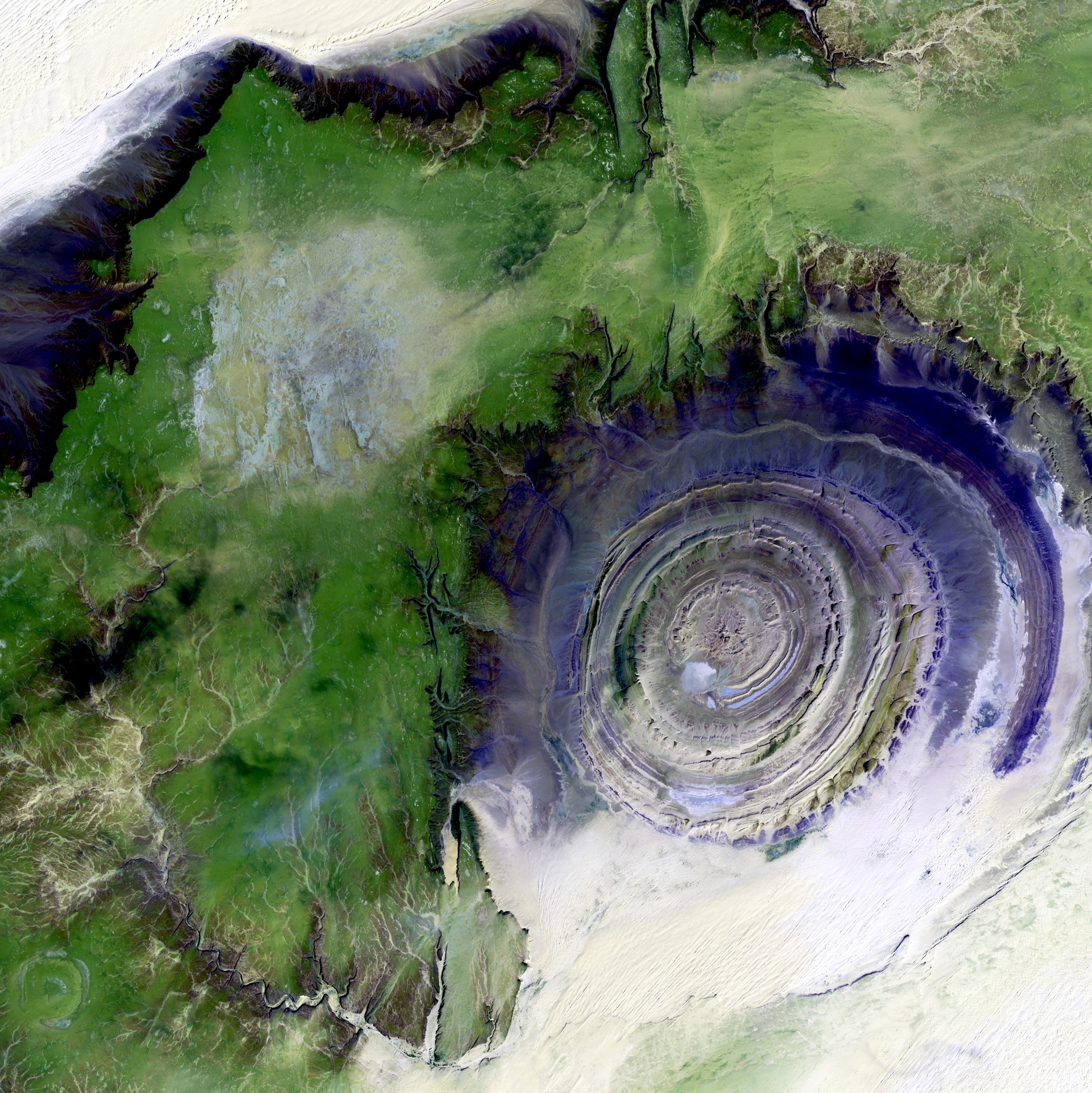
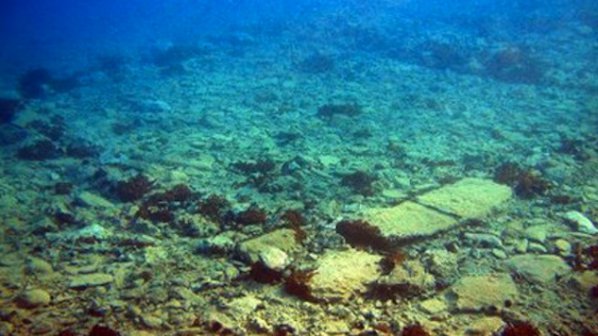
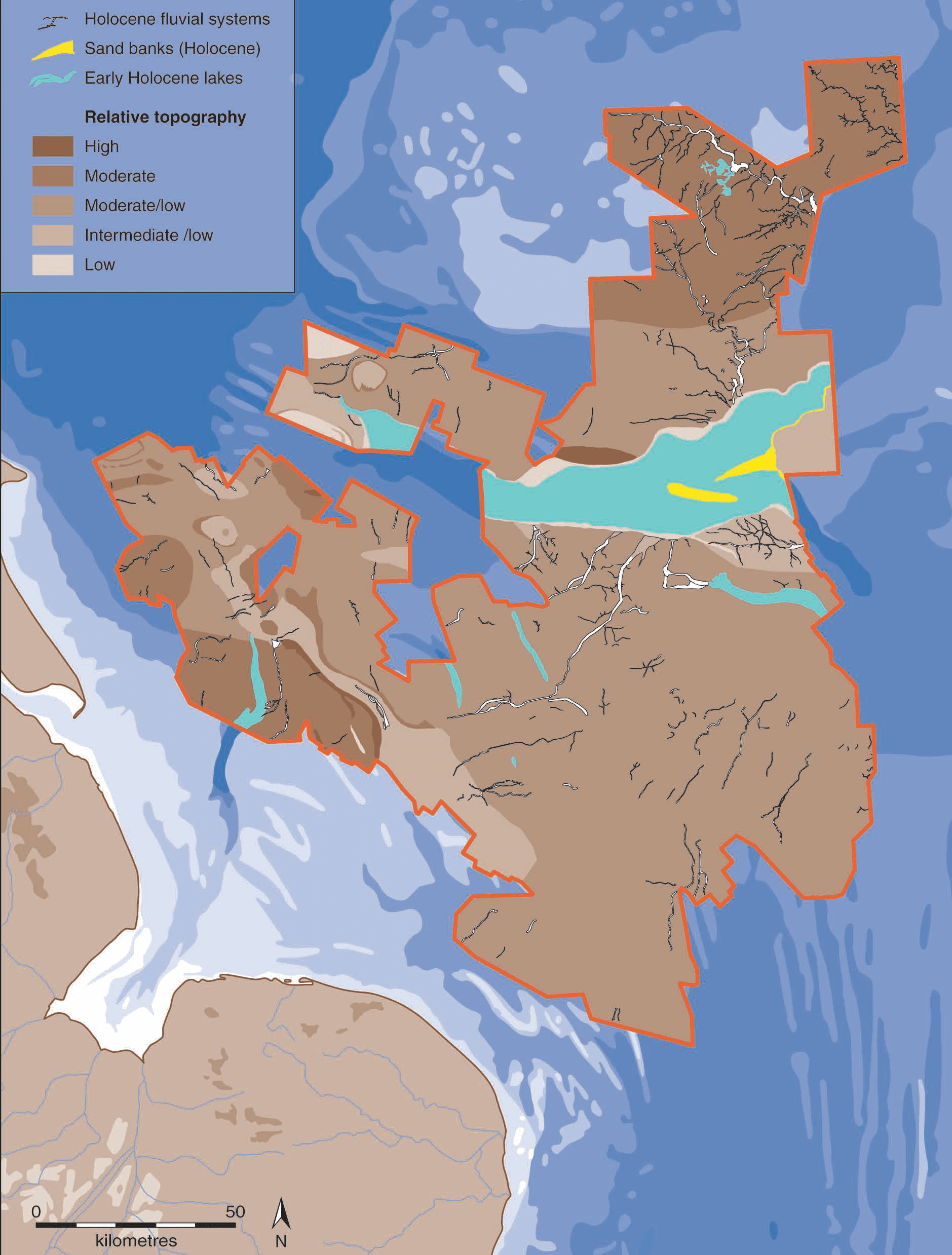
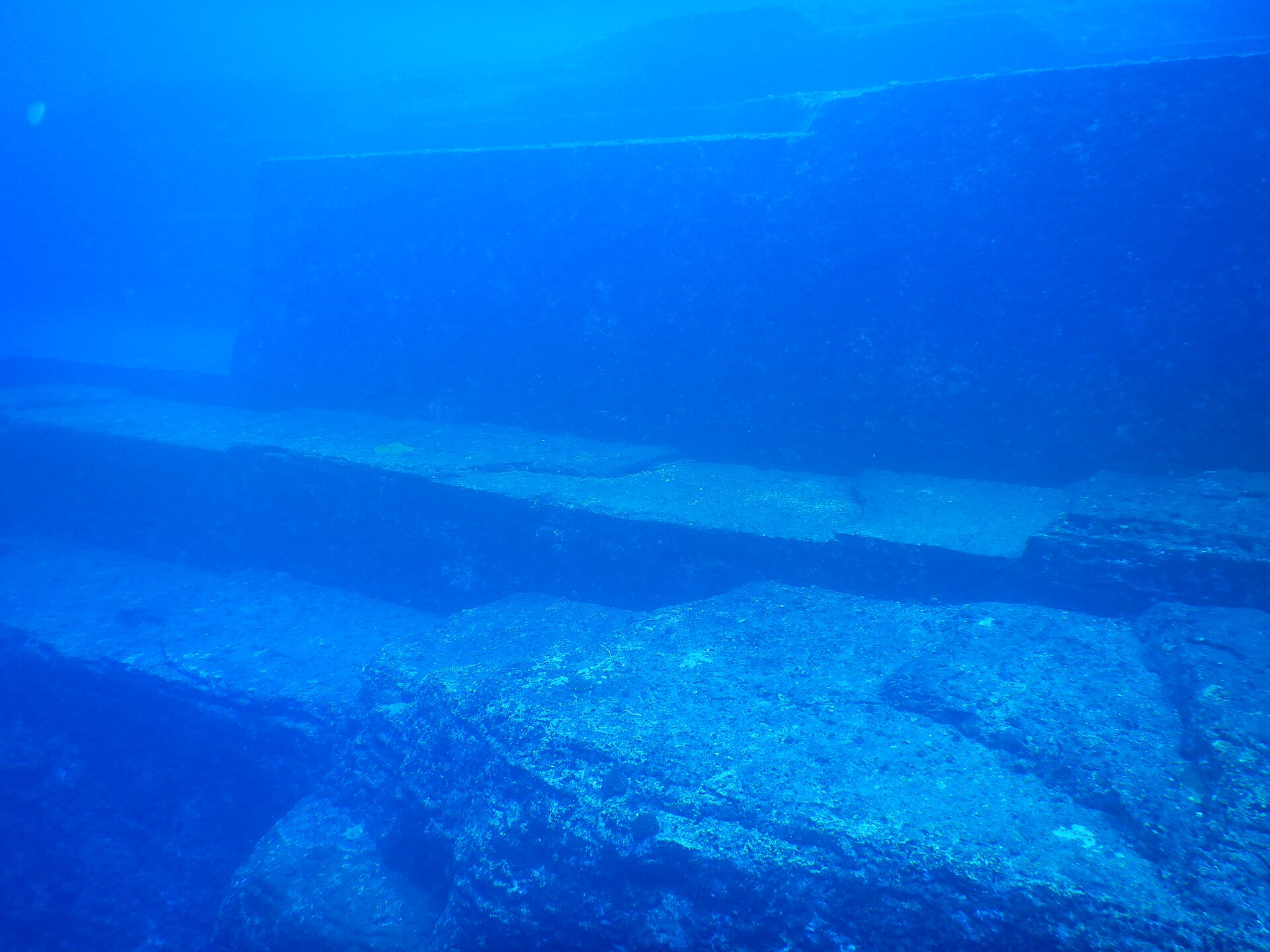
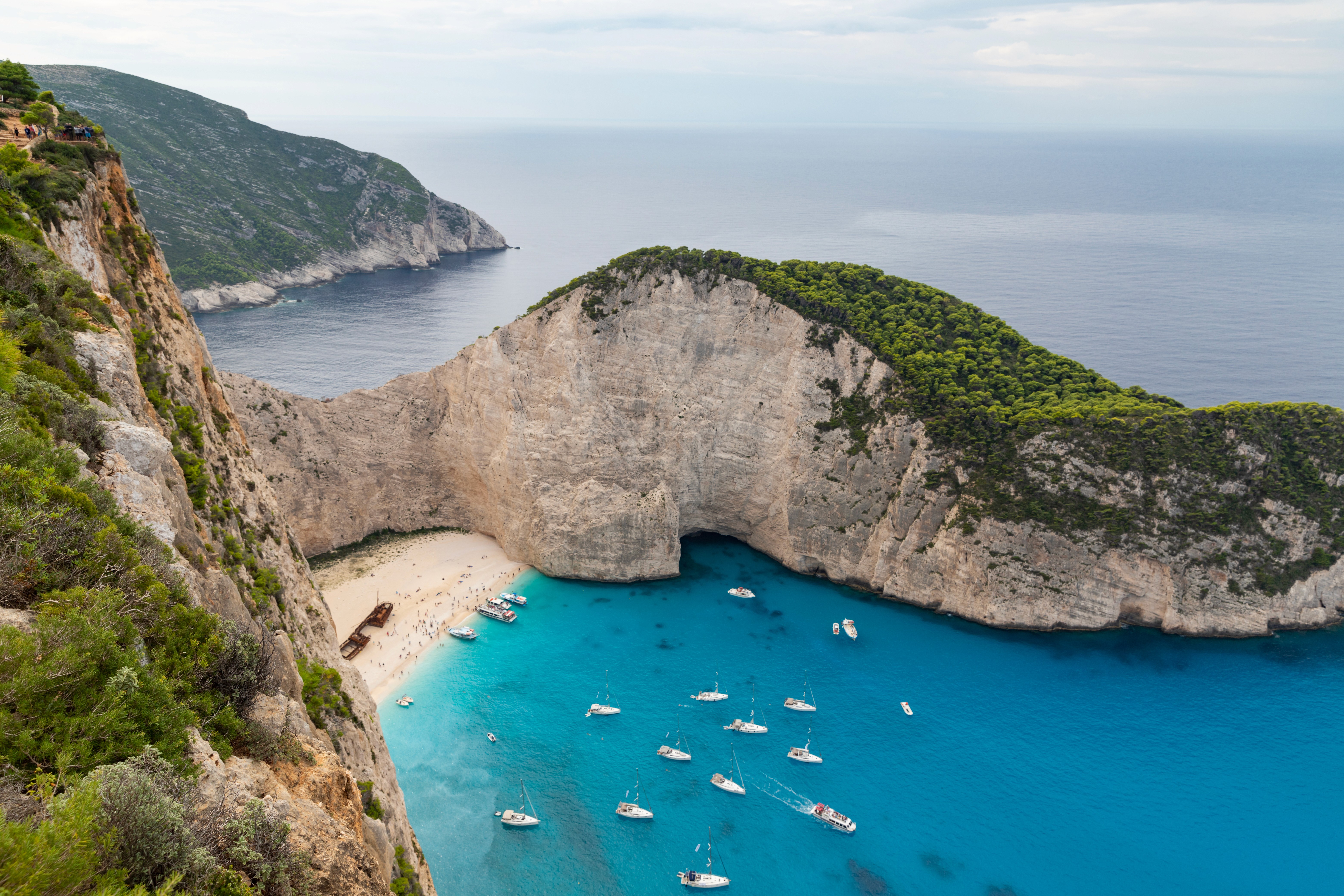
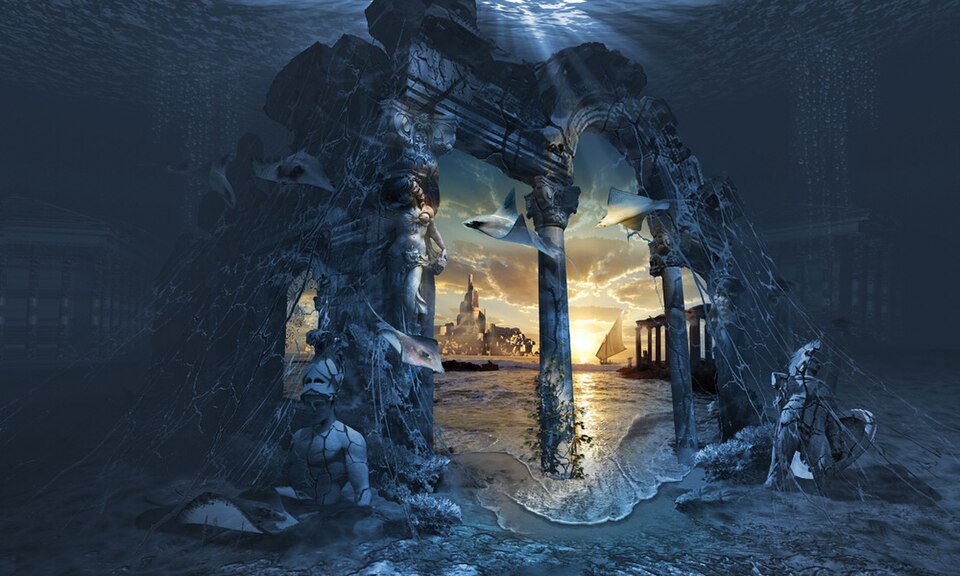
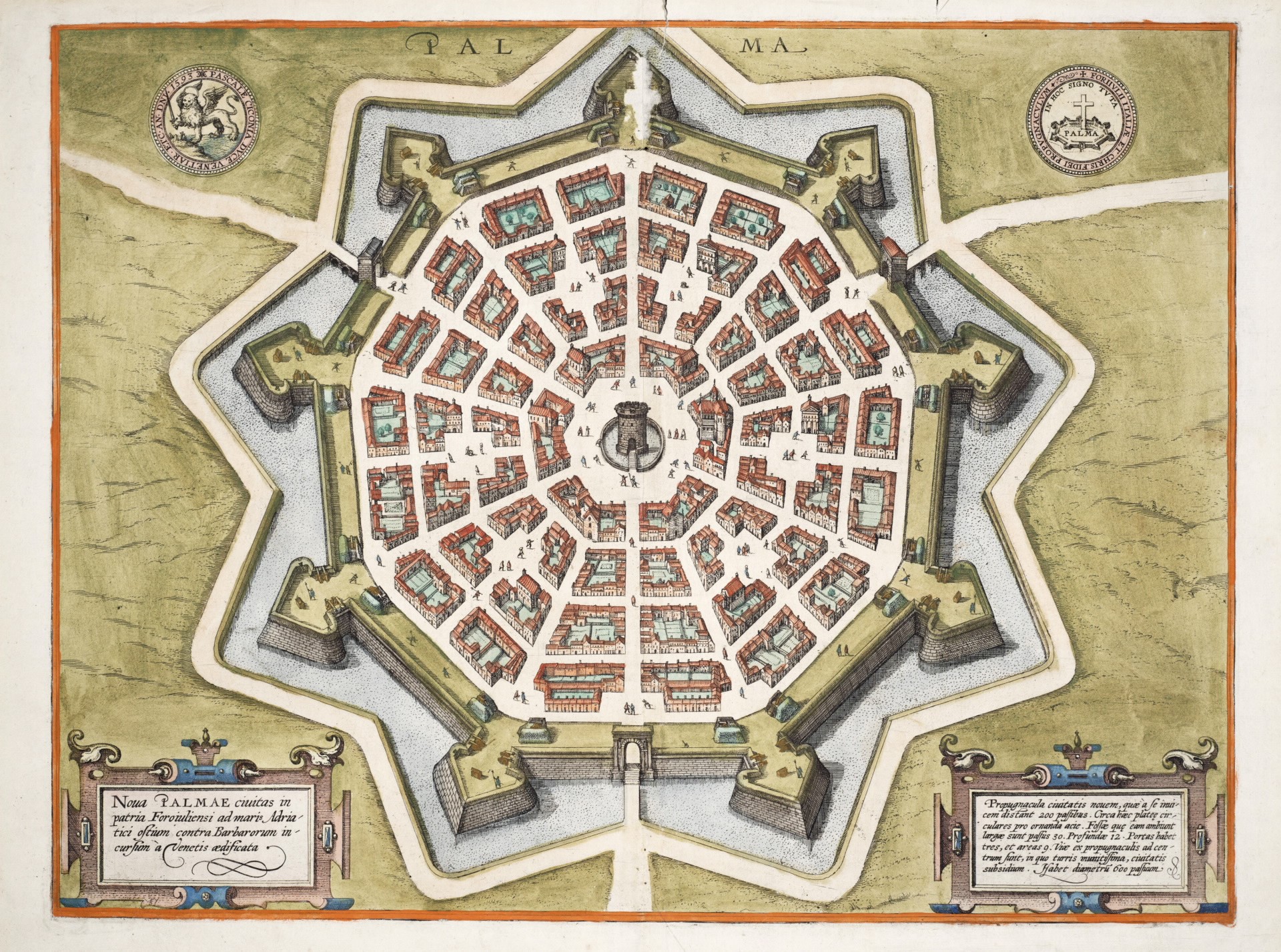 Fig. 01