Lord of the rings
architecture
Lord of the rings
architecture
Lord of the rings
architecture
Hobbits, Elves and Dwarves
Hobbits, Elves and Dwarves
Hobbits, Elves and Dwarves
I. The Hobbits
I. The Hobbits
Beneath the hills of the Shire lies a world carved from warmth, instinct, and memory. Hobbit-holes are more than homes—they’re shelters against a changing world, shaped by the deep, ancient urge to hide from what lies beyond the door. In the curve of every tunnel and the glow of every lamp, the Shire whispers a secret fear Tolkien carried his whole life: that paradise can vanish long before you’re ready to let it go.
Beneath the hills of the Shire lies a world carved from warmth, instinct, and memory. Hobbit-holes are more than homes—they’re shelters against a changing world, shaped by the deep, ancient urge to hide from what lies beyond the door. In the curve of every tunnel and the glow of every lamp, the Shire whispers a secret fear Tolkien carried his whole life: that paradise can vanish long before you’re ready to let it go.
II. The elves
II. The elves
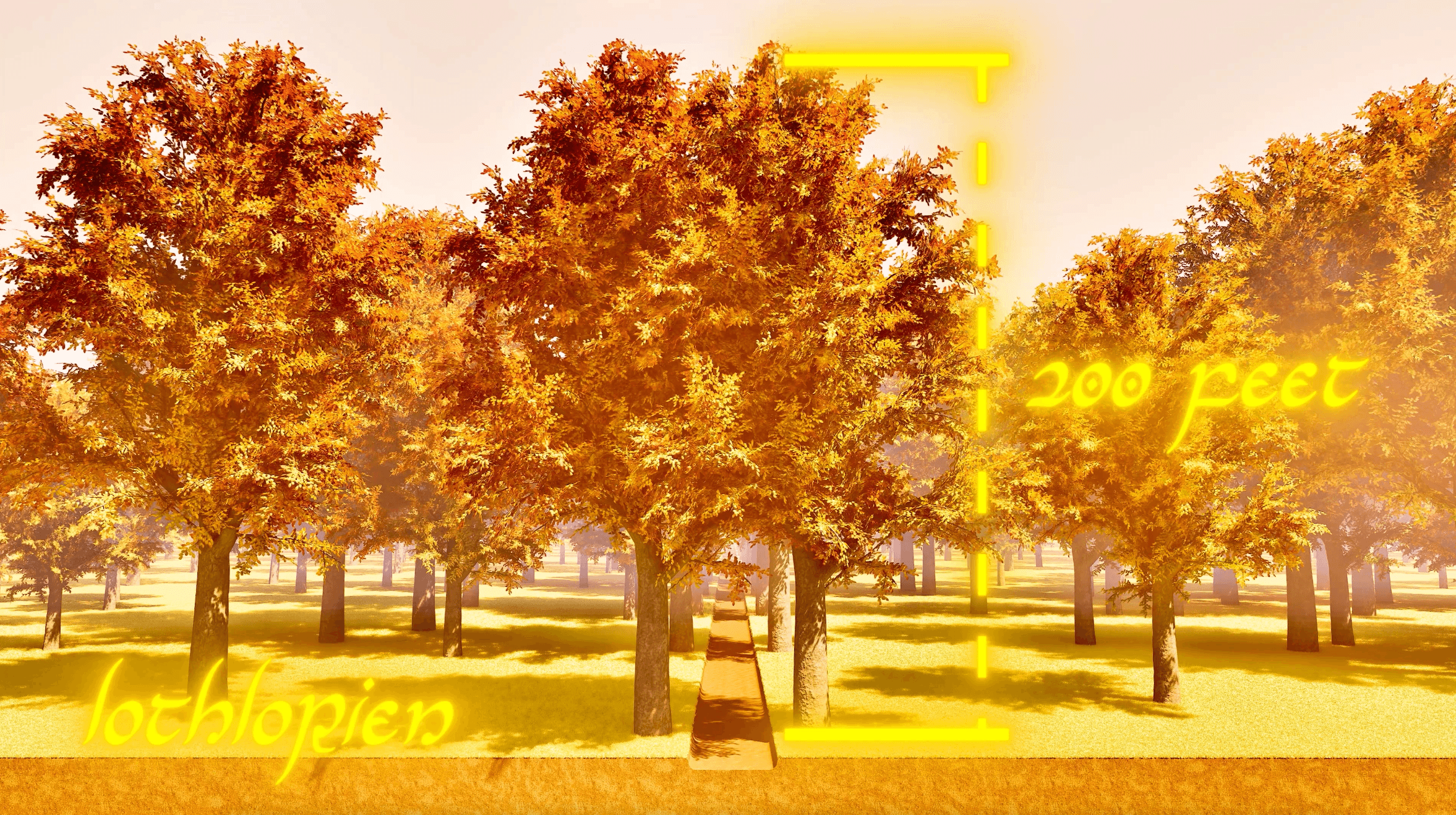
Elven realms hover somewhere between dream and daylight—cities that seem grown from moonlight, water, and the hush of ancient forests. Their architecture feels less built than remembered, as if the trees and stones themselves agreed to hold shape for a little while. From Rivendell’s cascading arches to the golden flets of Lothlórien, the elves show us a vision of what the world could be.
Elven realms hover somewhere between dream and daylight—cities that seem grown from moonlight, water, and the hush of ancient forests. Their architecture feels less built than remembered, as if the trees and stones themselves agreed to hold shape for a little while. From Rivendell’s cascading arches to the golden flets of Lothlórien, the elves show us a vision of what the world could be.
III. The Dwarves
III. The Dwarves
Deep in the mountains, where sunlight becomes myth, the dwarves carve out vast kingdoms of stone and shadow. Every pillar, every echoing hall feels like a challenge flung at eternity—geometry sharpened into defiance. In the darkness of Moria and Erebor, the dwarves reveal their truth: when life is brief and memory fragile, you carve your legacy into the very bones of the world.
Deep in the mountains, where sunlight becomes myth, the dwarves carve out vast kingdoms of stone and shadow. Every pillar, every echoing hall feels like a challenge flung at eternity—geometry sharpened into defiance. In the darkness of Moria and Erebor, the dwarves reveal their truth: when life is brief and memory fragile, you carve your legacy into the very bones of the world.
Introduction
Introduction
Introduction
The imagined cities of Middle-earth feel can be read as archaeological traces left behind by long-gone cultures. They feel like ruins you might dig up centuries later. Each destination in The Lord of the Rings gives us clues about its people: what limits they lived with, how their economies worked, and what they valued. In this booklet, we look at the architectural imprints of three races in Arda: Hobbits, Elves, and Dwarves.
Built forms are never neutral. They show how people relate to each other, and those meanings can linger even after a society has collapsed. In speculative fiction, where the people and landscapes are invented, we also have to think about the lifespan of the builders, the ecosystems they live in, and what they find beautiful. What ways of living does each society protect? How do different classes mark their identities as buildings, streets, and interiors change over time?
To understand Tolkien’s world-building-and how illustrator Alan Lee deepens it through his images-it helps to notice two things for each race:
Which architectural elements provide comfort
Which elements signal mastery or decadence.
Here, comfort is about familiarity and shelter. It’s how a space makes you feel safe, held, and at home. Decadence is more outward. It’s a visible signal of achievement, skill, or status. Architecture constantly negotiates between these two poles. On one end, it answers basic needs like protection from weather and danger. On the other, it creates legacy and monuments, buildings that seem to assert a presence.
The imagined cities of Middle-earth feel can be read as archaeological traces left behind by long-gone cultures. They feel like ruins you might dig up centuries later. Each destination in The Lord of the Rings gives us clues about its people: what limits they lived with, how their economies worked, and what they valued. In this booklet, we look at the architectural imprints of three races in Arda: Hobbits, Elves, and Dwarves.
Built forms are never neutral. They show how people relate to each other, and those meanings can linger even after a society has collapsed. In speculative fiction, where the people and landscapes are invented, we also have to think about the lifespan of the builders, the ecosystems they live in, and what they find beautiful. What ways of living does each society protect? How do different classes mark their identities as buildings, streets, and interiors change over time?
To understand Tolkien’s world-building-and how illustrator Alan Lee deepens it through his images-it helps to notice two things for each race:
Which architectural elements provide comfort
Which elements signal mastery or decadence.
Here, comfort is about familiarity and shelter. It’s how a space makes you feel safe, held, and at home. Decadence is more outward. It’s a visible signal of achievement, skill, or status. Architecture constantly negotiates between these two poles. On one end, it answers basic needs like protection from weather and danger. On the other, it creates legacy and monuments, buildings that seem to assert a presence.
The imagined cities of Middle-earth feel can be read as archaeological traces left behind by long-gone cultures. They feel like ruins you might dig up centuries later. Each destination in The Lord of the Rings gives us clues about its people: what limits they lived with, how their economies worked, and what they valued. In this booklet, we look at the architectural imprints of three races in Arda: Hobbits, Elves, and Dwarves.
Built forms are never neutral. They show how people relate to each other, and those meanings can linger even after a society has collapsed. In speculative fiction, where the people and landscapes are invented, we also have to think about the lifespan of the builders, the ecosystems they live in, and what they find beautiful. What ways of living does each society protect? How do different classes mark their identities as buildings, streets, and interiors change over time?
To understand Tolkien’s world-building-and how illustrator Alan Lee deepens it through his images-it helps to notice two things for each race:
Which architectural elements provide comfort
Which elements signal mastery or decadence.
Here, comfort is about familiarity and shelter. It’s how a space makes you feel safe, held, and at home. Decadence is more outward. It’s a visible signal of achievement, skill, or status. Architecture constantly negotiates between these two poles. On one end, it answers basic needs like protection from weather and danger. On the other, it creates legacy and monuments, buildings that seem to assert a presence.

I. The Hobbits
I. The Hobbits
I. The Hobbits
“In a hole in the ground there lived a hobbit…”
The Shire shows us a grounded, modest way of building. It is tied to farming rhythms and to people depending on each other. Hobbit houses belong to folk architecture - that is, buildings made by the people, using local materials and shared knowledge, rather than by famous architects or big firms. Folk architecture grows from necessity. People build what they must to survive, and then pass down methods that work. But it also carries tradition, memory, and the personal touch of the builder’s hand.
“In a hole in the ground there lived a hobbit…”
The Shire shows us a grounded, modest way of building. It is tied to farming rhythms and to people depending on each other. Hobbit houses belong to folk architecture - that is, buildings made by the people, using local materials and shared knowledge, rather than by famous architects or big firms. Folk architecture grows from necessity. People build what they must to survive, and then pass down methods that work. But it also carries tradition, memory, and the personal touch of the builder’s hand.
“In a hole in the ground there lived a hobbit…”
The Shire shows us a grounded, modest way of building. It is tied to farming rhythms and to people depending on each other. Hobbit houses belong to folk architecture - that is, buildings made by the people, using local materials and shared knowledge, rather than by famous architects or big firms. Folk architecture grows from necessity. People build what they must to survive, and then pass down methods that work. But it also carries tradition, memory, and the personal touch of the builder’s hand.
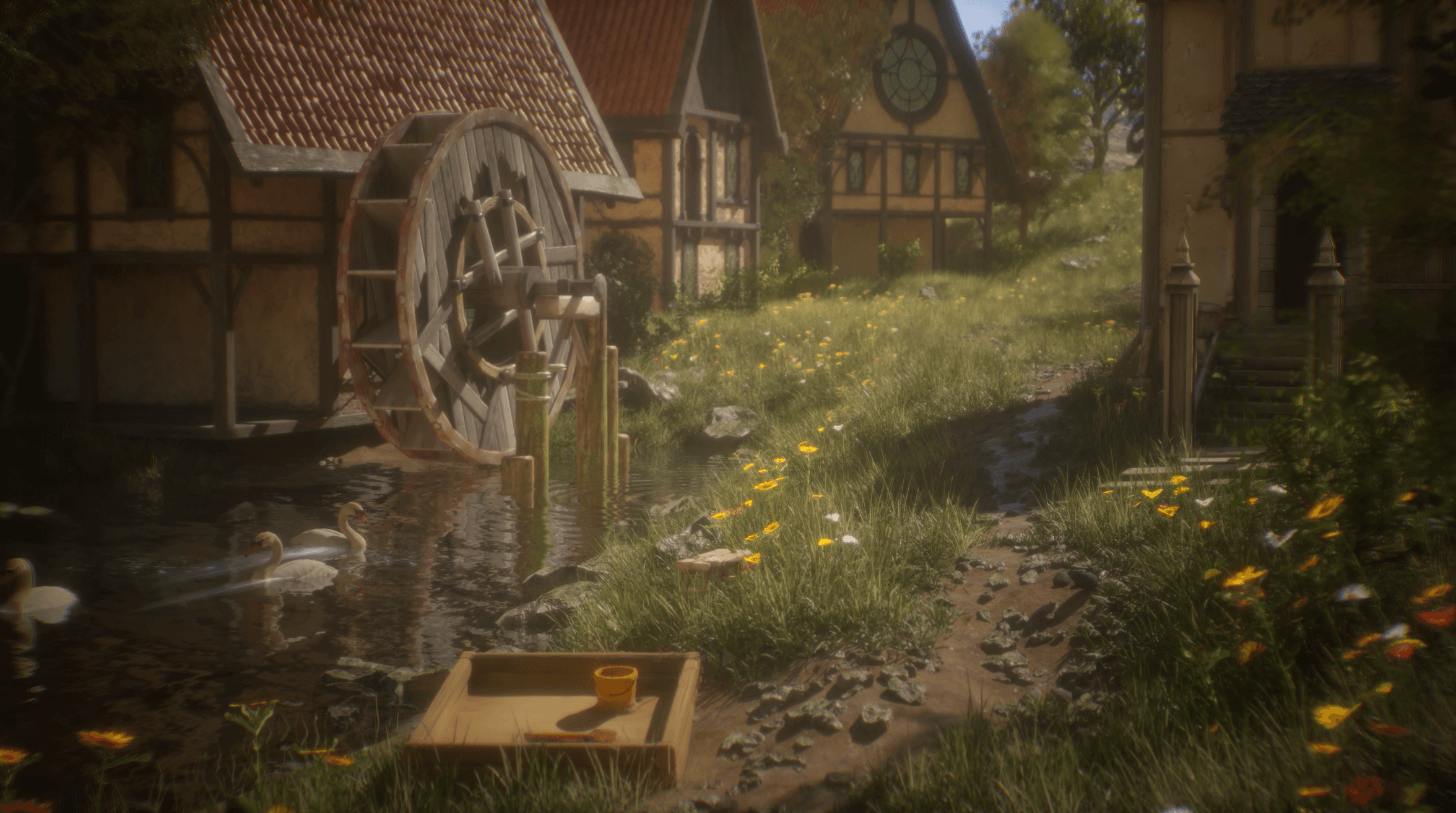
In the case of Hobbits, built form appears to reflect their worldview. They care about security, sociability, and above all, comfort. They don't seem interested in spectacle. Their spaces are small in scale, which helps them feel warm and welcoming. If we watch how Hobbits live in their homes, a consistent typology appears. A typology means a recurring pattern of space and form. Almost every architectural signal in the Shire seems to turn inward-toward the hearth, the pantry, the table, and the soft edges of daily life.
Comfort shows up in details like:
Low ceilings that reinforce a sense of enclosure;
Coziness created through curves, layered textures, and tightly scaled rooms;
Muted, natural colours that harmonize with the local plants and soil.
These choices create a feeling of safety and familiarity. Hobbits dislike adventure, risk, and disruption. Their homes seem to act as anchors in a world full of uncertainity. The Shire conveys strong egalitarian values, but it is not completely equal. There are still hierarchies at play.
In the case of Hobbits, built form appears to reflect their worldview. They care about security, sociability, and above all, comfort. They don't seem interested in spectacle. Their spaces are small in scale, which helps them feel warm and welcoming. If we watch how Hobbits live in their homes, a consistent typology appears. A typology means a recurring pattern of space and form. Almost every architectural signal in the Shire seems to turn inward-toward the hearth, the pantry, the table, and the soft edges of daily life.
Comfort shows up in details like:
Low ceilings that reinforce a sense of enclosure;
Coziness created through curves, layered textures, and tightly scaled rooms;
Muted, natural colours that harmonize with the local plants and soil.
These choices create a feeling of safety and familiarity. Hobbits dislike adventure, risk, and disruption. Their homes seem to act as anchors in a world full of uncertainity. The Shire conveys strong egalitarian values, but it is not completely equal. There are still hierarchies at play.
In the case of Hobbits, built form appears to reflect their worldview. They care about security, sociability, and above all, comfort. They don't seem interested in spectacle. Their spaces are small in scale, which helps them feel warm and welcoming. If we watch how Hobbits live in their homes, a consistent typology appears. A typology means a recurring pattern of space and form. Almost every architectural signal in the Shire seems to turn inward-toward the hearth, the pantry, the table, and the soft edges of daily life.
Comfort shows up in details like:
Low ceilings that reinforce a sense of enclosure;
Coziness created through curves, layered textures, and tightly scaled rooms;
Muted, natural colours that harmonize with the local plants and soil.
These choices create a feeling of safety and familiarity. Hobbits dislike adventure, risk, and disruption. Their homes seem to act as anchors in a world full of uncertainity. The Shire conveys strong egalitarian values, but it is not completely equal. There are still hierarchies at play.
Bilbo Baggins, a wealthy resident of Hobbiton, shows us what decadence looks like in a community that has no taste for obvious luxury. His house, Bag End, is underground but very large. It stretches horizontally into the hill.
For Hobbits, privilege does not show up as gold or flashy ornaments. It shows up as sprawl-the ability to extend further under the earth: more chambers, more tunnels, more generous storage rooms. Underground sprawl demands skill, labour, and resources. It also requires social support from others. In Hobbiton, the deeper you can burrow, the higher your status seems to be. Burrowing further becomes a quiet symbol of power.
Bilbo Baggins, a wealthy resident of Hobbiton, shows us what decadence looks like in a community that has no taste for obvious luxury. His house, Bag End, is underground but very large. It stretches horizontally into the hill.
For Hobbits, privilege does not show up as gold or flashy ornaments. It shows up as sprawl-the ability to extend further under the earth: more chambers, more tunnels, more generous storage rooms. Underground sprawl demands skill, labour, and resources. It also requires social support from others. In Hobbiton, the deeper you can burrow, the higher your status seems to be. Burrowing further becomes a quiet symbol of power.
Bilbo Baggins, a wealthy resident of Hobbiton, shows us what decadence looks like in a community that has no taste for obvious luxury. His house, Bag End, is underground but very large. It stretches horizontally into the hill.
For Hobbits, privilege does not show up as gold or flashy ornaments. It shows up as sprawl-the ability to extend further under the earth: more chambers, more tunnels, more generous storage rooms. Underground sprawl demands skill, labour, and resources. It also requires social support from others. In Hobbiton, the deeper you can burrow, the higher your status seems to be. Burrowing further becomes a quiet symbol of power.
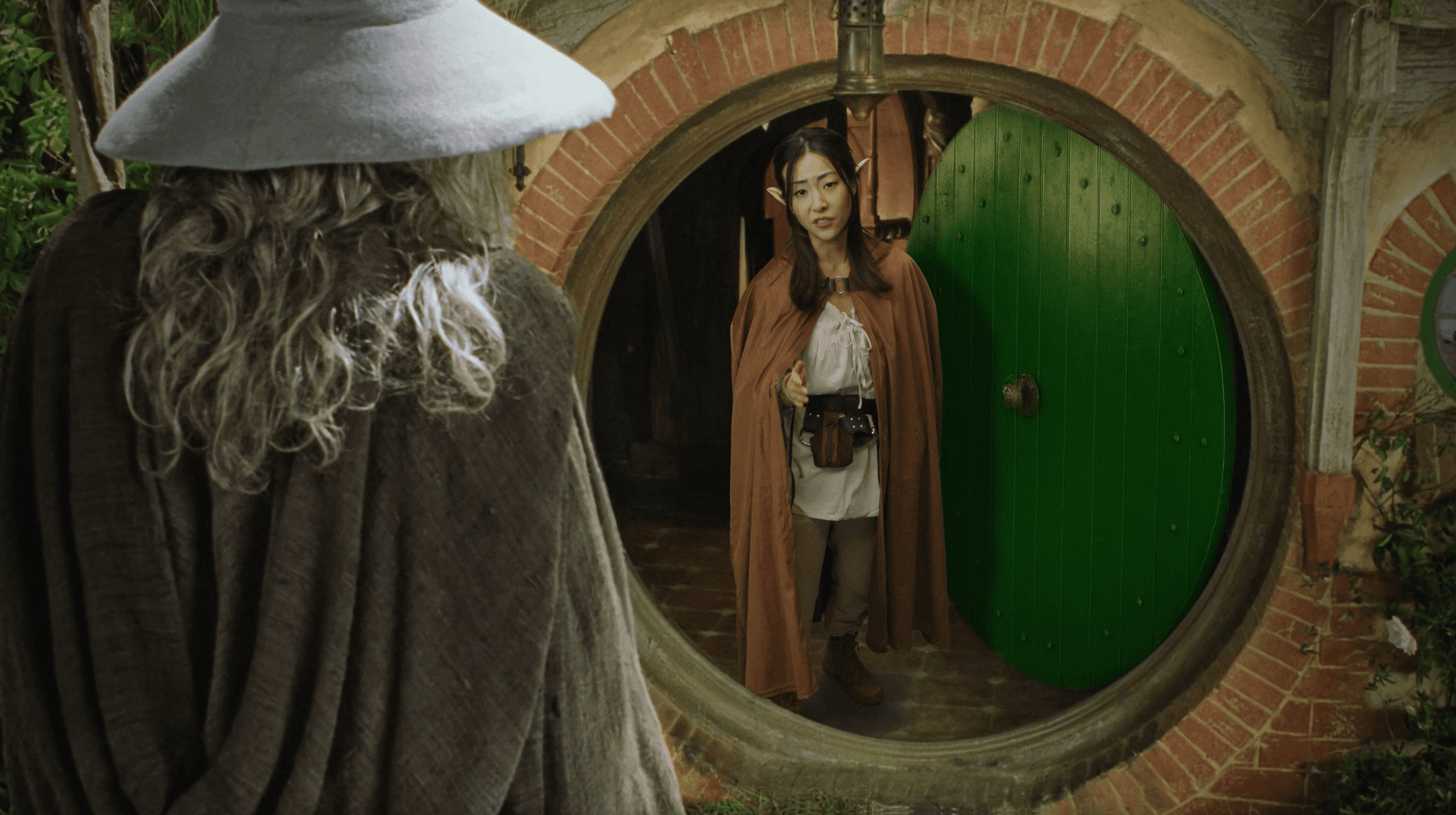
Circular doors
The iconic round door of a Hobbit-hole acts as a symbolic portal. It softens the edge between inside and outside, house and landscape. Circular doorways are rare in most Western architectural traditions, where doors and windows are usually rectangular. But round openings often appear in space habitats and modular capsules. In the Shire, the circular door brings to mind something archaic, a cave entrance. But it also points to more futuristic references, like something from the space-age.
Circular doors
The iconic round door of a Hobbit-hole acts as a symbolic portal. It softens the edge between inside and outside, house and landscape. Circular doorways are rare in most Western architectural traditions, where doors and windows are usually rectangular. But round openings often appear in space habitats and modular capsules. In the Shire, the circular door brings to mind something archaic, a cave entrance. But it also points to more futuristic references, like something from the space-age.
Circular doors
The iconic round door of a Hobbit-hole acts as a symbolic portal. It softens the edge between inside and outside, house and landscape. Circular doorways are rare in most Western architectural traditions, where doors and windows are usually rectangular. But round openings often appear in space habitats and modular capsules. In the Shire, the circular door brings to mind something archaic, a cave entrance. But it also points to more futuristic references, like something from the space-age.
Curvilinear pods
Inside Hobbit houses, spaces follow sweeping, rounded geometries. Corridors and rooms curve rather than form sharp angles. These curving forms resemble experimental architecture of Dries Kreijkamp, a glass blower, artist, and industrial designer, who is linked to the Bolwoningen Houses project. These houses took on a daring round shape, continuous surfaces, and a sense of ergonomic comfort. Because of this preference for pods, the Shire might be the kind of a place where old building methods meet speculative environmental design.
Curvilinear pods
Inside Hobbit houses, spaces follow sweeping, rounded geometries. Corridors and rooms curve rather than form sharp angles. These curving forms resemble experimental architecture of Dries Kreijkamp, a glass blower, artist, and industrial designer, who is linked to the Bolwoningen Houses project. These houses took on a daring round shape, continuous surfaces, and a sense of ergonomic comfort. Because of this preference for pods, the Shire might be the kind of a place where old building methods meet speculative environmental design.
Curvilinear pods
Inside Hobbit houses, spaces follow sweeping, rounded geometries. Corridors and rooms curve rather than form sharp angles. These curving forms resemble experimental architecture of Dries Kreijkamp, a glass blower, artist, and industrial designer, who is linked to the Bolwoningen Houses project. These houses took on a daring round shape, continuous surfaces, and a sense of ergonomic comfort. Because of this preference for pods, the Shire might be the kind of a place where old building methods meet speculative environmental design.
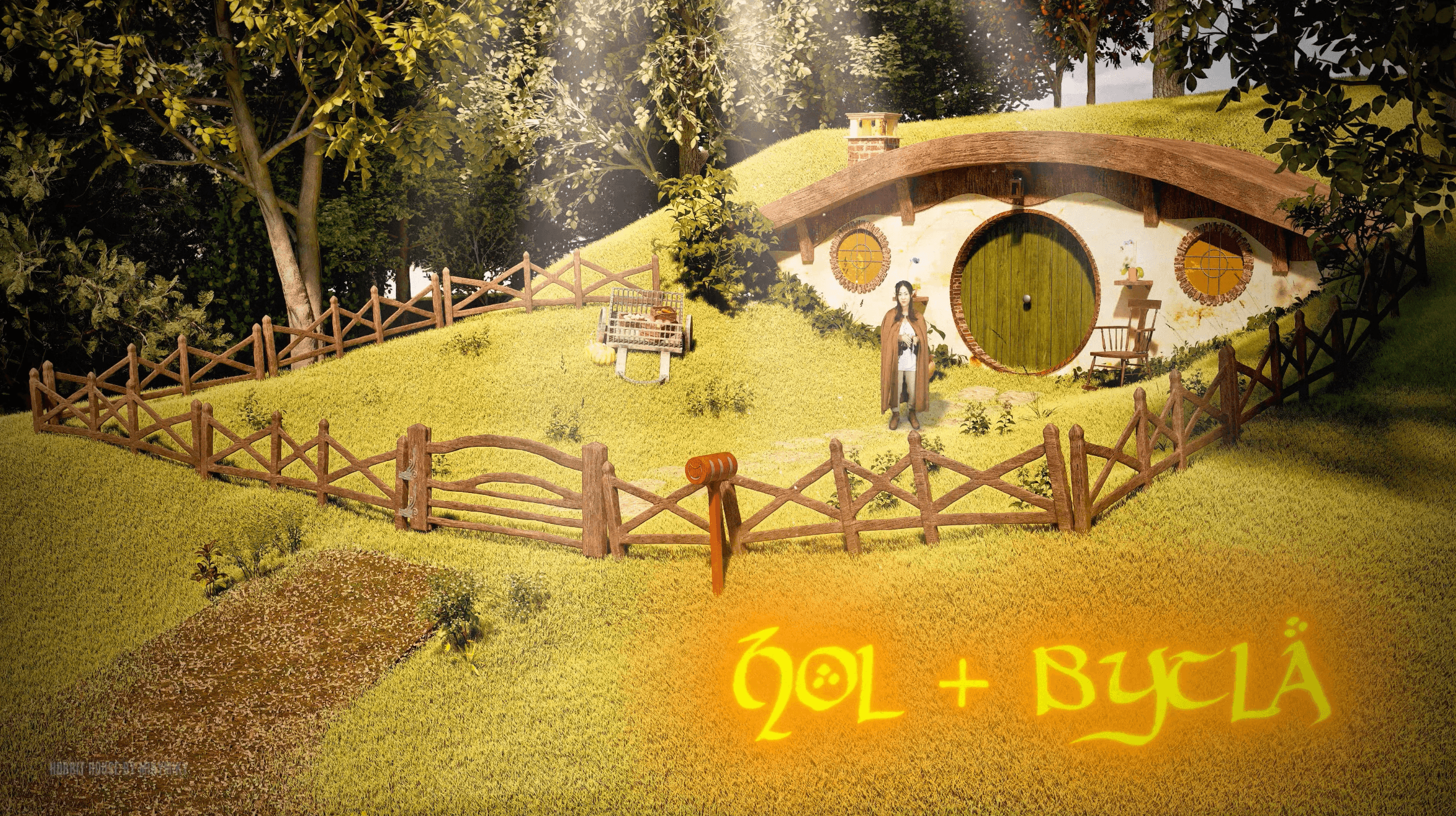
Cottagecore aesthetics
The contemporary cottage-core aesthetic helps explain why Shire architecture feels so appealing to modern audiences. Cottage-core is a pandemic era internet culture that idealizes slow living, handmade objects, and intimate rural life. It became especially popular during lockdowns, when many people were stuck at home and began to crave images of simpler, more grounded lifestyles. Seen through this lens, Hobbit architecture may be seen an artisanal ecosystem. Almost everything from windows to doorframes, to built-in shelves look crafted. The interiors seem to highlight tactility, texture, local materials, and custom work.
Cottagecore aesthetics
The contemporary cottage-core aesthetic helps explain why Shire architecture feels so appealing to modern audiences. Cottage-core is a pandemic era internet culture that idealizes slow living, handmade objects, and intimate rural life. It became especially popular during lockdowns, when many people were stuck at home and began to crave images of simpler, more grounded lifestyles. Seen through this lens, Hobbit architecture may be seen an artisanal ecosystem. Almost everything from windows to doorframes, to built-in shelves look crafted. The interiors seem to highlight tactility, texture, local materials, and custom work.
Cottagecore aesthetics
The contemporary cottage-core aesthetic helps explain why Shire architecture feels so appealing to modern audiences. Cottage-core is a pandemic era internet culture that idealizes slow living, handmade objects, and intimate rural life. It became especially popular during lockdowns, when many people were stuck at home and began to crave images of simpler, more grounded lifestyles. Seen through this lens, Hobbit architecture may be seen an artisanal ecosystem. Almost everything from windows to doorframes, to built-in shelves look crafted. The interiors seem to highlight tactility, texture, local materials, and custom work.
Buried Chambers
Hobbit-holes also connect to a long history of subterranean spaces. These are buildings that use the earth as structure, insulation, and atmosphere. Their buried rooms recall modern projects like Tadao Ando’s Chichu Art Museum on Naoshima. The museum is mostly hidden underground. Light, soil, and silence become parts of the architecture itself.
Like Chichu, Hobbit dwellings seem to use depth to create a mood, feel sheltered and gently lit, and encourage visitors to slow down and tune into the surrounding earth. For Hobbits, depth might be a key experience, not just a technical consideration.
Buried Chambers
Hobbit-holes also connect to a long history of subterranean spaces. These are buildings that use the earth as structure, insulation, and atmosphere. Their buried rooms recall modern projects like Tadao Ando’s Chichu Art Museum on Naoshima. The museum is mostly hidden underground. Light, soil, and silence become parts of the architecture itself.
Like Chichu, Hobbit dwellings seem to use depth to create a mood, feel sheltered and gently lit, and encourage visitors to slow down and tune into the surrounding earth. For Hobbits, depth might be a key experience, not just a technical consideration.
Buried Chambers
Hobbit-holes also connect to a long history of subterranean spaces. These are buildings that use the earth as structure, insulation, and atmosphere. Their buried rooms recall modern projects like Tadao Ando’s Chichu Art Museum on Naoshima. The museum is mostly hidden underground. Light, soil, and silence become parts of the architecture itself.
Like Chichu, Hobbit dwellings seem to use depth to create a mood, feel sheltered and gently lit, and encourage visitors to slow down and tune into the surrounding earth. For Hobbits, depth might be a key experience, not just a technical consideration.
Hobbiton has many parallels in real world art and architecture
The Shire is fictional, but its architecture feels close to real building traditions in northern Europe, especially in rural Scandinavia and Finland. One clear parallel is the sod roof.
A sod roof is a roof covered with grass and soil over layers of birch bark and wooden boards. This type of roof has two main jobs: it grounds the house visually, and it insulates it thermally. These roofs were common across Norway, parts of Sweden, and Finland until the late 19th century. Their spread closely follows the spread of log-building techniques in the region.
Hobbiton has many parallels in real world art and architecture
The Shire is fictional, but its architecture feels close to real building traditions in northern Europe, especially in rural Scandinavia and Finland. One clear parallel is the sod roof.
A sod roof is a roof covered with grass and soil over layers of birch bark and wooden boards. This type of roof has two main jobs: it grounds the house visually, and it insulates it thermally. These roofs were common across Norway, parts of Sweden, and Finland until the late 19th century. Their spread closely follows the spread of log-building techniques in the region.
Hobbiton has many parallels in real world art and architecture
The Shire is fictional, but its architecture feels close to real building traditions in northern Europe, especially in rural Scandinavia and Finland. One clear parallel is the sod roof.
A sod roof is a roof covered with grass and soil over layers of birch bark and wooden boards. This type of roof has two main jobs: it grounds the house visually, and it insulates it thermally. These roofs were common across Norway, parts of Sweden, and Finland until the late 19th century. Their spread closely follows the spread of log-building techniques in the region.
Sod roofs were hard work to build, but they had important advantages: Their weight pressed down on log walls, helping to close gaps and reduce drafts.The sod layer acted as strong thermal insulation, keeping interiors warmer during long, cold seasons. The birch bark layers worked as waterproofing, keeping water out. The sod roof would fit the Shire’s imagined economy perfectly. Hobbits seem to live in a barter-based culture, where people trade labour and goods rather than relying on money alone. Sod roofs are heavy and complex, so they need many hands. Neighbours must help each other build and maintain them.
In this way, the sod roof becomes more than a simple covering; it turns into communal infrastructure. When people gather to raise it, trust and goodwill circulate. Building together may shape relationships in such a society. This mix of practicality and intimacy is at the heart of folk architecture. The land is not just a backdrop. It is both the setting where life unfolds, and the source of materials that shape style and social habits.
Sod roofs were hard work to build, but they had important advantages: Their weight pressed down on log walls, helping to close gaps and reduce drafts.The sod layer acted as strong thermal insulation, keeping interiors warmer during long, cold seasons. The birch bark layers worked as waterproofing, keeping water out. The sod roof would fit the Shire’s imagined economy perfectly. Hobbits seem to live in a barter-based culture, where people trade labour and goods rather than relying on money alone. Sod roofs are heavy and complex, so they need many hands. Neighbours must help each other build and maintain them.
In this way, the sod roof becomes more than a simple covering; it turns into communal infrastructure. When people gather to raise it, trust and goodwill circulate. Building together may shape relationships in such a society. This mix of practicality and intimacy is at the heart of folk architecture. The land is not just a backdrop. It is both the setting where life unfolds, and the source of materials that shape style and social habits.
Sod roofs were hard work to build, but they had important advantages: Their weight pressed down on log walls, helping to close gaps and reduce drafts.The sod layer acted as strong thermal insulation, keeping interiors warmer during long, cold seasons. The birch bark layers worked as waterproofing, keeping water out. The sod roof would fit the Shire’s imagined economy perfectly. Hobbits seem to live in a barter-based culture, where people trade labour and goods rather than relying on money alone. Sod roofs are heavy and complex, so they need many hands. Neighbours must help each other build and maintain them.
In this way, the sod roof becomes more than a simple covering; it turns into communal infrastructure. When people gather to raise it, trust and goodwill circulate. Building together may shape relationships in such a society. This mix of practicality and intimacy is at the heart of folk architecture. The land is not just a backdrop. It is both the setting where life unfolds, and the source of materials that shape style and social habits.
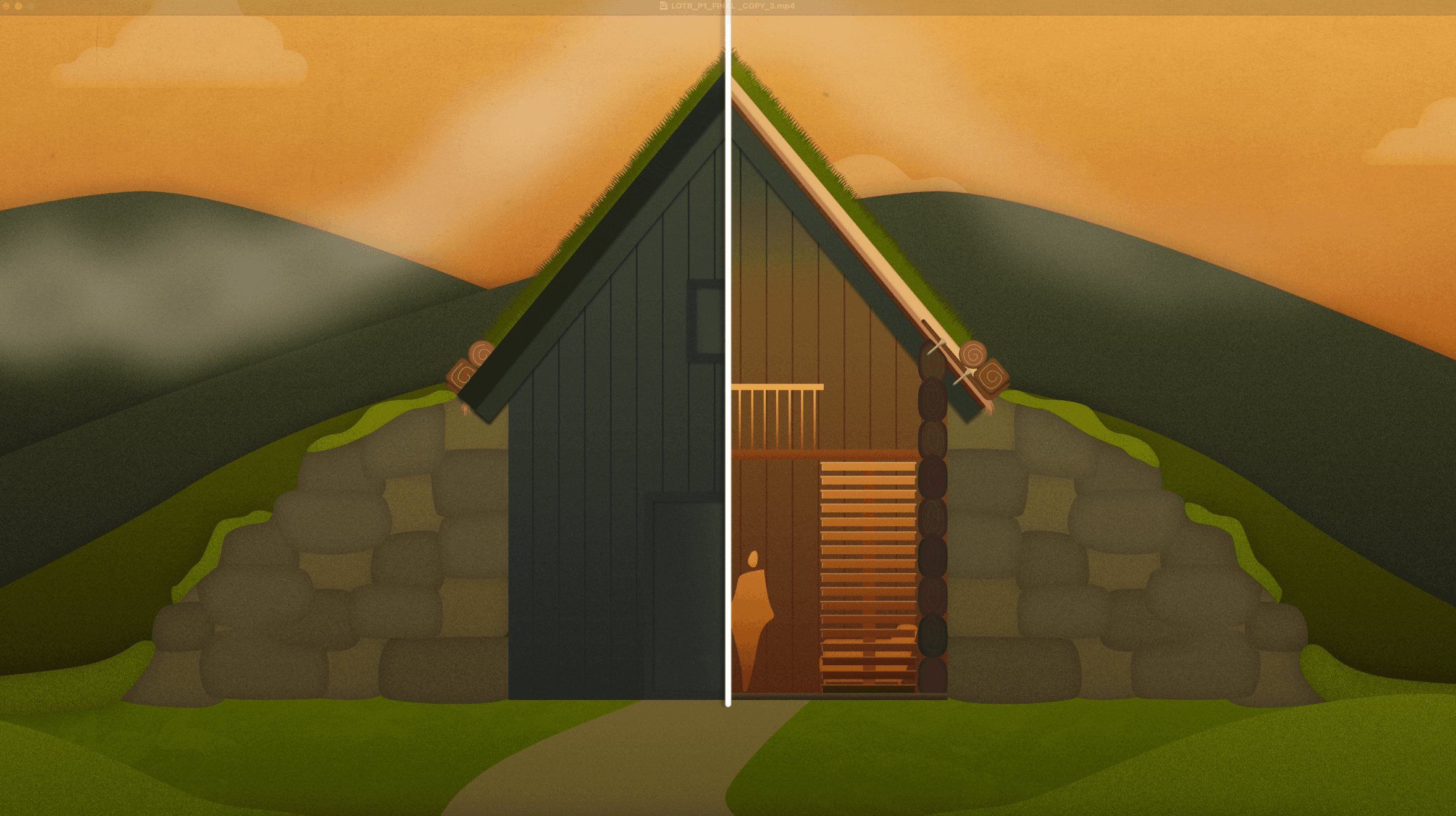
A closer look at the Hobbiton shows a blend between Ancient and Futurist
The invented worlds of The Lord of the Rings allow different time periods to blend. Tolkien’s writing, paired with Alan Lee’s illustrations, gives us buildings that feel both traditional and futuristic. The Hobbit-hole is a good example. Its smooth integration into the hillside recalls ancient earth dwellings. At the same time, it feels similar to some contemporary “green architecture” and to speculative designs for life in extreme environments. Here are a few features that illustrate this blend:
A closer look at the Hobbiton shows a blend between Ancient and Futurist
The invented worlds of The Lord of the Rings allow different time periods to blend. Tolkien’s writing, paired with Alan Lee’s illustrations, gives us buildings that feel both traditional and futuristic. The Hobbit-hole is a good example. Its smooth integration into the hillside recalls ancient earth dwellings. At the same time, it feels similar to some contemporary “green architecture” and to speculative designs for life in extreme environments. Here are a few features that illustrate this blend:
A closer look at the Hobbiton shows a blend between Ancient and Futurist
The invented worlds of The Lord of the Rings allow different time periods to blend. Tolkien’s writing, paired with Alan Lee’s illustrations, gives us buildings that feel both traditional and futuristic. The Hobbit-hole is a good example. Its smooth integration into the hillside recalls ancient earth dwellings. At the same time, it feels similar to some contemporary “green architecture” and to speculative designs for life in extreme environments. Here are a few features that illustrate this blend:
Within LOTR, the life of a hobbit is similar to what we see in cottagecore videos. But to us, however, it feels nostalgic. It could be because The Shire evokes slower, pre-industrial rhythms, a space woven together by neighbourly support, and ample domestic warmth. It works like a time capsule or cocoon-a refuge from modern anxiety and speed.
The choice to live inside the earth instead of building tall structures on top of it shows a culture rooted in humility, a race that pays close attention to the land. The built environment of Hobbits expresses a society that seeks equilibrium. If comfort and decadence pull in different directions, then in Hobbiton comfort seems to win out. Yet craftsmanship and abundant space seem suggest who is quietly prospering in this society.
Within LOTR, the life of a hobbit is similar to what we see in cottagecore videos. But to us, however, it feels nostalgic. It could be because The Shire evokes slower, pre-industrial rhythms, a space woven together by neighbourly support, and ample domestic warmth. It works like a time capsule or cocoon-a refuge from modern anxiety and speed.
The choice to live inside the earth instead of building tall structures on top of it shows a culture rooted in humility, a race that pays close attention to the land. The built environment of Hobbits expresses a society that seeks equilibrium. If comfort and decadence pull in different directions, then in Hobbiton comfort seems to win out. Yet craftsmanship and abundant space seem suggest who is quietly prospering in this society.
Within LOTR, the life of a hobbit is similar to what we see in cottagecore videos. But to us, however, it feels nostalgic. It could be because The Shire evokes slower, pre-industrial rhythms, a space woven together by neighbourly support, and ample domestic warmth. It works like a time capsule or cocoon-a refuge from modern anxiety and speed.
The choice to live inside the earth instead of building tall structures on top of it shows a culture rooted in humility, a race that pays close attention to the land. The built environment of Hobbits expresses a society that seeks equilibrium. If comfort and decadence pull in different directions, then in Hobbiton comfort seems to win out. Yet craftsmanship and abundant space seem suggest who is quietly prospering in this society.
What might be the favourite architectural detail of the hobbit?
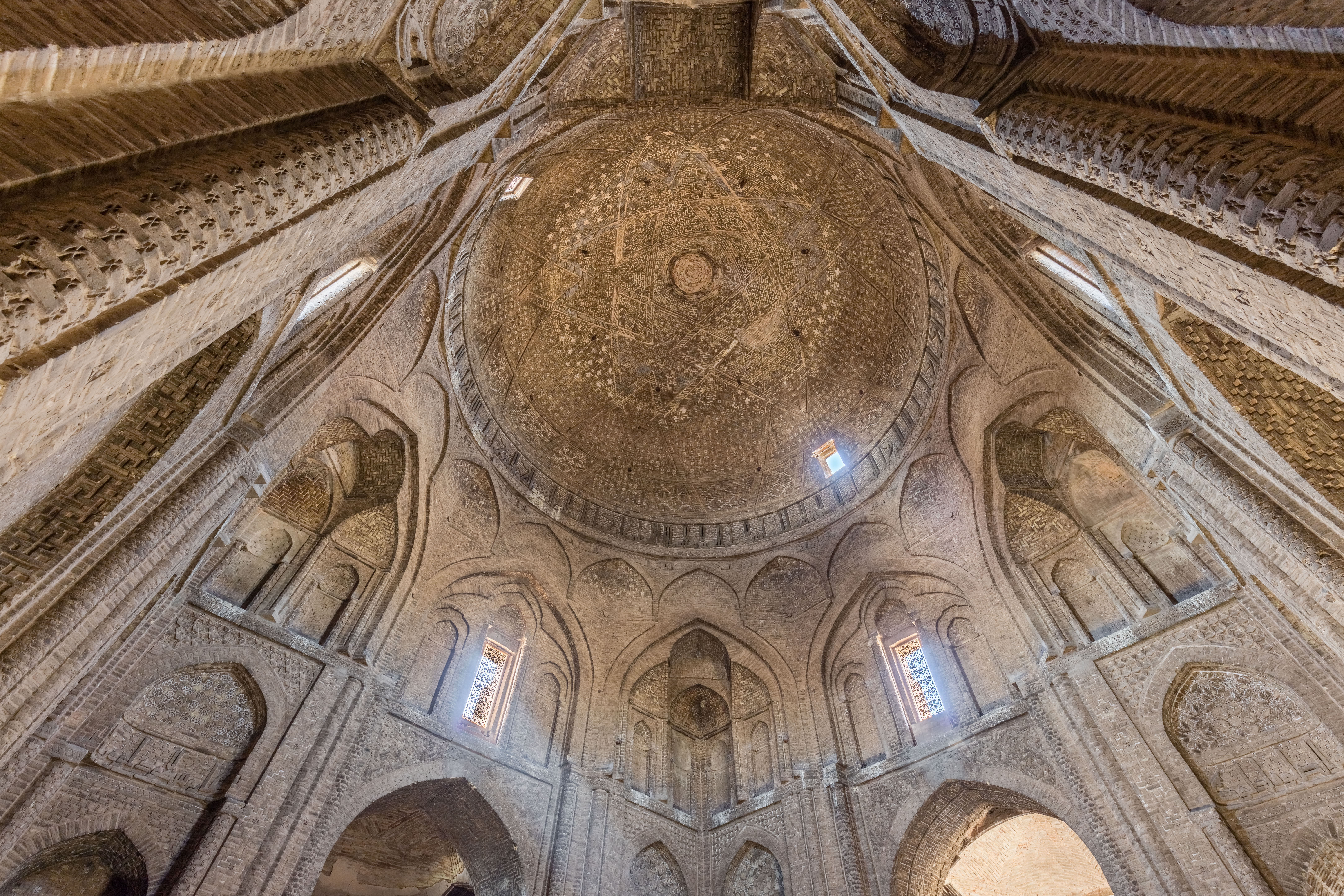
A squinch is a small structural element used when you want to place a circular or octagonal dome over a square room. Imagine a square room with a dome on top. The sharp 90-degree corners of the square do not match the round base of the dome. A squinch is the “in-between” structure that solves this problem. It usually appears in the top corners of the square as small arches, stepped or corbelled niche-like forms, or angled brackets. These features “soften” the corner and create a smoother transition from square to circle. Squinches were an early architectural innovation. They appeared in Persian, Byzantine, and Islamic architecture. They were a key step in making large domed spaces possible long before modern engineering and digital tools.
What might be the favourite architectural detail of the hobbit?
A squinch is a small structural element used when you want to place a circular or octagonal dome over a square room. Imagine a square room with a dome on top. The sharp 90-degree corners of the square do not match the round base of the dome. A squinch is the “in-between” structure that solves this problem. It usually appears in the top corners of the square as small arches, stepped or corbelled niche-like forms, or angled brackets. These features “soften” the corner and create a smoother transition from square to circle. Squinches were an early architectural innovation. They appeared in Persian, Byzantine, and Islamic architecture. They were a key step in making large domed spaces possible long before modern engineering and digital tools.
What might be the favourite architectural detail of the hobbit?
A squinch is a small structural element used when you want to place a circular or octagonal dome over a square room. Imagine a square room with a dome on top. The sharp 90-degree corners of the square do not match the round base of the dome. A squinch is the “in-between” structure that solves this problem. It usually appears in the top corners of the square as small arches, stepped or corbelled niche-like forms, or angled brackets. These features “soften” the corner and create a smoother transition from square to circle. Squinches were an early architectural innovation. They appeared in Persian, Byzantine, and Islamic architecture. They were a key step in making large domed spaces possible long before modern engineering and digital tools.

II. The Elves
II. The Elves
II. The Elves
“Rivendell was the perfect house, whether you liked food or story-telling or singing, or just sitting and thinking best, or a pleasant mixture of them all. Merely to be there was a cure for weariness, fear and sadness. Evil things did not come into that valley.”
Rivendell is one of the most atmospheric places in Tolkien’s world. It is a sanctuary shaped by cliffs, trees, and flowing water. The architecture leaves a soft, almost ethereal after-image. Where the Shire hugs the ground and is rooted in it, Rivendell feels suspended, airy, almost afloat. It could be because Rivendell is a space of oppositions: sheltered but open, solid but light, ancient but always renewing itself.
Its built forms reflect the Elves’ worldview and immortality. Elves think in long cycles: seasons, centuries, and slow patterns of change. They value forms that can be refined over long stretches of time. Elven architecture can be understood as an ongoing conversation with nature, not an attempt to dominate it. In Rivendell structures might bend, branch, and taper like plants. The canopied walkways treat light as a kind of material and use ornament inspired by the lines of nearby cliffs, rivers, and forests.
“Rivendell was the perfect house, whether you liked food or story-telling or singing, or just sitting and thinking best, or a pleasant mixture of them all. Merely to be there was a cure for weariness, fear and sadness. Evil things did not come into that valley.”
Rivendell is one of the most atmospheric places in Tolkien’s world. It is a sanctuary shaped by cliffs, trees, and flowing water. The architecture leaves a soft, almost ethereal after-image. Where the Shire hugs the ground and is rooted in it, Rivendell feels suspended, airy, almost afloat. It could be because Rivendell is a space of oppositions: sheltered but open, solid but light, ancient but always renewing itself.
Its built forms reflect the Elves’ worldview and immortality. Elves think in long cycles: seasons, centuries, and slow patterns of change. They value forms that can be refined over long stretches of time. Elven architecture can be understood as an ongoing conversation with nature, not an attempt to dominate it. In Rivendell structures might bend, branch, and taper like plants. The canopied walkways treat light as a kind of material and use ornament inspired by the lines of nearby cliffs, rivers, and forests.
“Rivendell was the perfect house, whether you liked food or story-telling or singing, or just sitting and thinking best, or a pleasant mixture of them all. Merely to be there was a cure for weariness, fear and sadness. Evil things did not come into that valley.”
Rivendell is one of the most atmospheric places in Tolkien’s world. It is a sanctuary shaped by cliffs, trees, and flowing water. The architecture leaves a soft, almost ethereal after-image. Where the Shire hugs the ground and is rooted in it, Rivendell feels suspended, airy, almost afloat. It could be because Rivendell is a space of oppositions: sheltered but open, solid but light, ancient but always renewing itself.
Its built forms reflect the Elves’ worldview and immortality. Elves think in long cycles: seasons, centuries, and slow patterns of change. They value forms that can be refined over long stretches of time. Elven architecture can be understood as an ongoing conversation with nature, not an attempt to dominate it. In Rivendell structures might bend, branch, and taper like plants. The canopied walkways treat light as a kind of material and use ornament inspired by the lines of nearby cliffs, rivers, and forests.
Rivendell looks like it has been shaped by hands that have centuries to practice and adjust.
The Elven sense of comfort may come from alignment with the living world. Their spaces could be organized by the same principles that govern trees and other natural beings. Elves work with what is familiar yet unique to nature.
Their world would be full of:
Trees and natural patterns that are familiar yet complex
Hollow, permeable spaces that adapt to shifting light and seasonal colour changes
Cyclical rhythms, visible in repeated motifs and undulating forms
Elves seem to invite wind, water, and daylight in. These natural element may even shape how rooms feel at different times. Comfort, for Elves, lies in that ongoing continuity with nature and in the awareness of their long lifespans. It follows then, that Elven decadence shows up in the finesse of their structures. Their mastery appears in the airy canopies that seem to float with delicate, filigree-like ornamentation. Filigree refers to very fine, lace-like detailing, often in metal or carved stone. This kind of detail requires great patience and skill. This emphasis on delicacy comes across as their ultimate display of power. Only a culture with high craft and plenty of time can create such light, intricate forms. Elves seem to express opulence through craftsmanship, with hands that seek refinement and don't fear the constraints of time.
Rivendell looks like it has been shaped by hands that have centuries to practice and adjust.
The Elven sense of comfort may come from alignment with the living world. Their spaces could be organized by the same principles that govern trees and other natural beings. Elves work with what is familiar yet unique to nature.
Their world would be full of:
Trees and natural patterns that are familiar yet complex
Hollow, permeable spaces that adapt to shifting light and seasonal colour changes
Cyclical rhythms, visible in repeated motifs and undulating forms
Elves seem to invite wind, water, and daylight in. These natural element may even shape how rooms feel at different times. Comfort, for Elves, lies in that ongoing continuity with nature and in the awareness of their long lifespans. It follows then, that Elven decadence shows up in the finesse of their structures. Their mastery appears in the airy canopies that seem to float with delicate, filigree-like ornamentation. Filigree refers to very fine, lace-like detailing, often in metal or carved stone. This kind of detail requires great patience and skill. This emphasis on delicacy comes across as their ultimate display of power. Only a culture with high craft and plenty of time can create such light, intricate forms. Elves seem to express opulence through craftsmanship, with hands that seek refinement and don't fear the constraints of time.
Rivendell looks like it has been shaped by hands that have centuries to practice and adjust.
The Elven sense of comfort may come from alignment with the living world. Their spaces could be organized by the same principles that govern trees and other natural beings. Elves work with what is familiar yet unique to nature.
Their world would be full of:
Trees and natural patterns that are familiar yet complex
Hollow, permeable spaces that adapt to shifting light and seasonal colour changes
Cyclical rhythms, visible in repeated motifs and undulating forms
Elves seem to invite wind, water, and daylight in. These natural element may even shape how rooms feel at different times. Comfort, for Elves, lies in that ongoing continuity with nature and in the awareness of their long lifespans. It follows then, that Elven decadence shows up in the finesse of their structures. Their mastery appears in the airy canopies that seem to float with delicate, filigree-like ornamentation. Filigree refers to very fine, lace-like detailing, often in metal or carved stone. This kind of detail requires great patience and skill. This emphasis on delicacy comes across as their ultimate display of power. Only a culture with high craft and plenty of time can create such light, intricate forms. Elves seem to express opulence through craftsmanship, with hands that seek refinement and don't fear the constraints of time.
Both Art Nouveau and Gothic architecture produced buildings that felt almost impossibly light. They used slender supports, branching columns, and delicate tracery. Tracery is the stone or metal pattern in window frames or screens, often filled with glass. It lets light pass through while holding the structure together, much like stained glass windows set within Gothic cathedrals.
These techniques make stone appear to float and turn light into an active material. Rivendell captures this same sense of structural magic. It's as if the architecture lifted by air rather than pinned down by gravity.
Both Art Nouveau and Gothic architecture produced buildings that felt almost impossibly light. They used slender supports, branching columns, and delicate tracery. Tracery is the stone or metal pattern in window frames or screens, often filled with glass. It lets light pass through while holding the structure together, much like stained glass windows set within Gothic cathedrals.
These techniques make stone appear to float and turn light into an active material. Rivendell captures this same sense of structural magic. It's as if the architecture lifted by air rather than pinned down by gravity.
Both Art Nouveau and Gothic architecture produced buildings that felt almost impossibly light. They used slender supports, branching columns, and delicate tracery. Tracery is the stone or metal pattern in window frames or screens, often filled with glass. It lets light pass through while holding the structure together, much like stained glass windows set within Gothic cathedrals.
These techniques make stone appear to float and turn light into an active material. Rivendell captures this same sense of structural magic. It's as if the architecture lifted by air rather than pinned down by gravity.
Art Nouveau
Art Nouveau emerged in the late 19th and early 20th centuries as a reaction to industrialization. Designers wanted to bring art and handcrafted beauty back into everyday life.
The style appeared under different names —Jugendstil in Germany, Modernisme in Catalonia, Sezession in Austria—but its core ideas stayed similar across regions. This movement is characterized by flowing, organic lines, plant-like motifs, and a focus on handcrafted detail.
Paris became a major centre. Hector Guimard’s Métro entrances helped weave Art Nouveau into the city’s identity. A century later, its influence is still visible in balconies, façades, ironwork, and signage. Art Nouveau’s most recognizable motif is the whiplash line, a curve that looks like a vine or a strand of hair whipping through space.
Alphonse Mucha’s posters show this clearly. His figures are wrapped in swirling tendrils, floral halos, and elongated forms. These visual rhythms feel close to Rivendell’s sweeping arches and layered ornament.
Art Nouveau
Art Nouveau emerged in the late 19th and early 20th centuries as a reaction to industrialization. Designers wanted to bring art and handcrafted beauty back into everyday life.
The style appeared under different names —Jugendstil in Germany, Modernisme in Catalonia, Sezession in Austria—but its core ideas stayed similar across regions. This movement is characterized by flowing, organic lines, plant-like motifs, and a focus on handcrafted detail.
Paris became a major centre. Hector Guimard’s Métro entrances helped weave Art Nouveau into the city’s identity. A century later, its influence is still visible in balconies, façades, ironwork, and signage. Art Nouveau’s most recognizable motif is the whiplash line, a curve that looks like a vine or a strand of hair whipping through space.
Alphonse Mucha’s posters show this clearly. His figures are wrapped in swirling tendrils, floral halos, and elongated forms. These visual rhythms feel close to Rivendell’s sweeping arches and layered ornament.
Art Nouveau
Art Nouveau emerged in the late 19th and early 20th centuries as a reaction to industrialization. Designers wanted to bring art and handcrafted beauty back into everyday life.
The style appeared under different names —Jugendstil in Germany, Modernisme in Catalonia, Sezession in Austria—but its core ideas stayed similar across regions. This movement is characterized by flowing, organic lines, plant-like motifs, and a focus on handcrafted detail.
Paris became a major centre. Hector Guimard’s Métro entrances helped weave Art Nouveau into the city’s identity. A century later, its influence is still visible in balconies, façades, ironwork, and signage. Art Nouveau’s most recognizable motif is the whiplash line, a curve that looks like a vine or a strand of hair whipping through space.
Alphonse Mucha’s posters show this clearly. His figures are wrapped in swirling tendrils, floral halos, and elongated forms. These visual rhythms feel close to Rivendell’s sweeping arches and layered ornament.
Antoni Gaudí
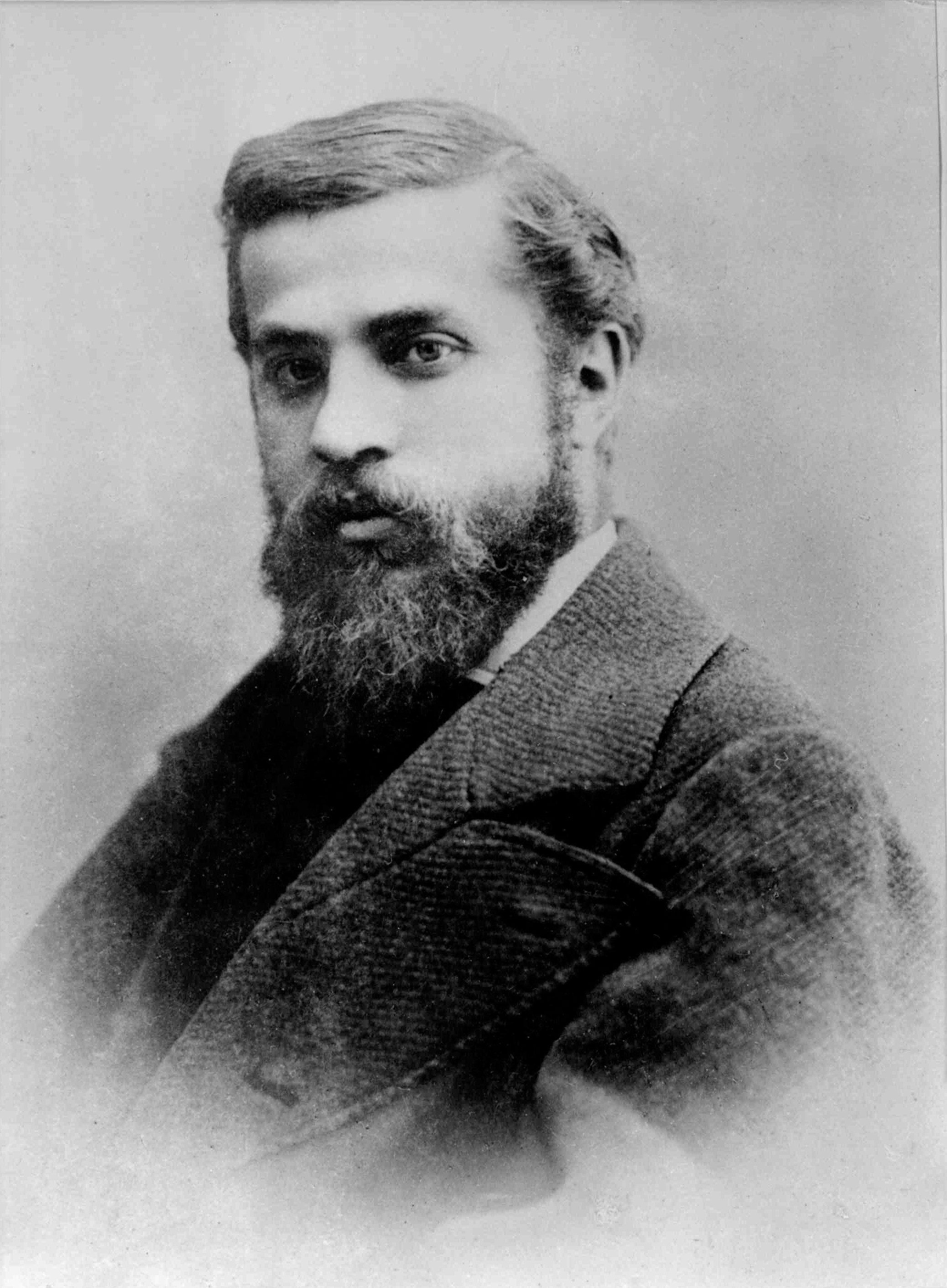
Antoni Gaudí, the Catalan architect behind the Sagrada Família, saw architecture as a living system. He studied patterns in trees, shells and waves and translated them to curved surfaces, branching columns, fluid forms that are both structural and expressive.
In buildings like Casa Batlló and Park Güell, colour and texture work together to create immersive spaces that feel handcrafted. Gaudí’s blend of art and engineering offers a vision of architecture that is imaginative, ecological, and tightly linked to natural logic. This makes his work feel very close to Elven thinking.
He believed that natural forms already contain perfect engineering—curves shaped by gravity, branching that distributes weight, spirals that guide movement. This is why his buildings feel both futuristic and ancient at once. His popularity comes from this ability to make architecture feel alive: patterns borrowed from plants, shells, and waves become structural solutions, not ornament. Through this, Gaudí created spaces that feel intuitive, immersive, and deeply connected to the world around them.
Antoni Gaudi
Antoni Gaudí, the Catalan architect behind the Sagrada Família, saw architecture as a living system. He studied patterns in trees, shells and waves and translated them to curved surfaces, branching columns, fluid forms that are both structural and expressive.
In buildings like Casa Batlló and Park Güell, colour and texture work together to create immersive spaces that feel handcrafted. Gaudí’s blend of art and engineering offers a vision of architecture that is imaginative, ecological, and tightly linked to natural logic. This makes his work feel very close to Elven thinking.
He believed that natural forms already contain perfect engineering—curves shaped by gravity, branching that distributes weight, spirals that guide movement. This is why his buildings feel both futuristic and ancient at once. His popularity comes from this ability to make architecture feel alive: patterns borrowed from plants, shells, and waves become structural solutions, not ornament. Through this, Gaudí created spaces that feel intuitive, immersive, and deeply connected to the world around them.
Antoni Gaudí
Antoni Gaudí, the Catalan architect behind the Sagrada Família, saw architecture as a living system. He studied patterns in trees, shells and waves and translated them to curved surfaces, branching columns, fluid forms that are both structural and expressive.
In buildings like Casa Batlló and Park Güell, colour and texture work together to create immersive spaces that feel handcrafted. Gaudí’s blend of art and engineering offers a vision of architecture that is imaginative, ecological, and tightly linked to natural logic. This makes his work feel very close to Elven thinking.
He believed that natural forms already contain perfect engineering—curves shaped by gravity, branching that distributes weight, spirals that guide movement. This is why his buildings feel both futuristic and ancient at once. His popularity comes from this ability to make architecture feel alive: patterns borrowed from plants, shells, and waves become structural solutions, not ornament. Through this, Gaudí created spaces that feel intuitive, immersive, and deeply connected to the world around them.
Bringing Lightness to Stone
Gothic architecture also plays a role here, especially the version filtered through Gaudí’s imagination. In his work, pointed arches, soaring vertical lines, intricate tracery, and stained glass become fluid and organic—turning classic Gothic elements into living forms that feel grown rather than built.
Gaudí studied Gothic cathedrals closely and admired their ambition, but he felt they were too rigid, too dependent on straight lines that resisted nature’s curves. He kept their sense of height and lightness, yet transformed their geometry, letting gravity and natural forces shape the forms instead of forcing them into strict symmetry.
Today we talk about parametric design when we use digital tools to generate forms based on rules and parameters—like curves controlled by sliders or growth patterns controlled by formulas. Imagine a chainlink with different weights at every joint, now imagine if we could pull on them in different directions and with different forces to alter the original geometry. The possibilities are endless.
Long before computers, designers like Gaudí, Victor Horta, and Guimard used analog parametric design. They relied on rules taken from nature—growth, branching, curvature—to generate complex forms by hand. Rivendell seems to fits neatly into this lineage. Its curves follow the logic of rivers and roots instead of the logic of straight grids or rigid symmetry.
Bringing Lightness to Stone
Gothic architecture also plays a role here, especially the version filtered through Gaudí’s imagination. In his work, pointed arches, soaring vertical lines, intricate tracery, and stained glass become fluid and organic—turning classic Gothic elements into living forms that feel grown rather than built.
Gaudí studied Gothic cathedrals closely and admired their ambition, but he felt they were too rigid, too dependent on straight lines that resisted nature’s curves. He kept their sense of height and lightness, yet transformed their geometry, letting gravity and natural forces shape the forms instead of forcing them into strict symmetry.
Today we talk about parametric design when we use digital tools to generate forms based on rules and parameters—like curves controlled by sliders or growth patterns controlled by formulas. Imagine a chainlink with different weights at every joint, now imagine if we could pull on them in different directions and with different forces to alter the original geometry. The possibilities are endless.
Long before computers, designers like Gaudí, Victor Horta, and Guimard used analog parametric design. They relied on rules taken from nature—growth, branching, curvature—to generate complex forms by hand. Rivendell seems to fits neatly into this lineage. Its curves follow the logic of rivers and roots instead of the logic of straight grids or rigid symmetry.
Bringing Lightness to Stone
Gothic architecture also plays a role here, especially the version filtered through Gaudí’s imagination. In his work, pointed arches, soaring vertical lines, intricate tracery, and stained glass become fluid and organic—turning classic Gothic elements into living forms that feel grown rather than built.
Gaudí studied Gothic cathedrals closely and admired their ambition, but he felt they were too rigid, too dependent on straight lines that resisted nature’s curves. He kept their sense of height and lightness, yet transformed their geometry, letting gravity and natural forces shape the forms instead of forcing them into strict symmetry.
Today we talk about parametric design when we use digital tools to generate forms based on rules and parameters—like curves controlled by sliders or growth patterns controlled by formulas. Imagine a chainlink with different weights at every joint, now imagine if we could pull on them in different directions and with different forces to alter the original geometry. The possibilities are endless.
Long before computers, designers like Gaudí, Victor Horta, and Guimard used analog parametric design. They relied on rules taken from nature—growth, branching, curvature—to generate complex forms by hand. Rivendell seems to fits neatly into this lineage. Its curves follow the logic of rivers and roots instead of the logic of straight grids or rigid symmetry.
Time as a Collaborator for the Artisan
Elves do not live on tight human timelines. They don't need to rushing toward deadlines. Their architecture reflects this abundance of time. Rivendell’s structures are therefore ornate, filled with motifs inspired by leaves, water, and bark. A human craftsperson might work on details and then move on to another project. An Elf can return season after season, adding layers of refinement as the environment changes.
This creates an ongoing collaboration between maker and landscape. Rivendell’s artisanal identity seems to flaunt the belief that beauty is grown, not forced. Materials “tell” the maker what they want to become. Nothing has to be rushed.
Time as a Collaborator for the Artisan
Elves do not live on tight human timelines. They don't need to rushing toward deadlines. Their architecture reflects this abundance of time. Rivendell’s structures are therefore ornate, filled with motifs inspired by leaves, water, and bark. A human craftsperson might work on details and then move on to another project. An Elf can return season after season, adding layers of refinement as the environment changes.
This creates an ongoing collaboration between maker and landscape. Rivendell’s artisanal identity seems to flaunt the belief that beauty is grown, not forced. Materials “tell” the maker what they want to become. Nothing has to be rushed.
Time as a Collaborator for the Artisan
Elves do not live on tight human timelines. They don't need to rushing toward deadlines. Their architecture reflects this abundance of time. Rivendell’s structures are therefore ornate, filled with motifs inspired by leaves, water, and bark. A human craftsperson might work on details and then move on to another project. An Elf can return season after season, adding layers of refinement as the environment changes.
This creates an ongoing collaboration between maker and landscape. Rivendell’s artisanal identity seems to flaunt the belief that beauty is grown, not forced. Materials “tell” the maker what they want to become. Nothing has to be rushed.
Analog Parametric Design
Today we talk about parametric design when we use digital tools to generate forms based on rules and parameters—like curves controlled by sliders or growth patterns controlled by formulas. Imagine a chainlink with different weights at every joint, now imagine if we could pull on them in different directions and with different forces to alter the original geometry. The possibilities are endless.
Long before computers, designers like Gaudí, Victor Horta, and Guimard used analog parametric design. They relied on rules taken from nature—growth, branching, curvature—to generate complex forms by hand.
Rivendell seems to fits neatly into this lineage. Its curves follow the logic of rivers and roots instead of the logic of straight grids or rigid symmetry.
Analog Parametric Design
Today we talk about parametric design when we use digital tools to generate forms based on rules and parameters—like curves controlled by sliders or growth patterns controlled by formulas. Imagine a chainlink with different weights at every joint, now imagine if we could pull on them in different directions and with different forces to alter the original geometry. The possibilities are endless.
Long before computers, designers like Gaudí, Victor Horta, and Guimard used analog parametric design. They relied on rules taken from nature—growth, branching, curvature—to generate complex forms by hand.
Rivendell seems to fits neatly into this lineage. Its curves follow the logic of rivers and roots instead of the logic of straight grids or rigid symmetry.
Analog Parametric Design
Today we talk about parametric design when we use digital tools to generate forms based on rules and parameters—like curves controlled by sliders or growth patterns controlled by formulas. Imagine a chainlink with different weights at every joint, now imagine if we could pull on them in different directions and with different forces to alter the original geometry. The possibilities are endless.
Long before computers, designers like Gaudí, Victor Horta, and Guimard used analog parametric design. They relied on rules taken from nature—growth, branching, curvature—to generate complex forms by hand.
Rivendell seems to fits neatly into this lineage. Its curves follow the logic of rivers and roots instead of the logic of straight grids or rigid symmetry.
What might be the favourite architectural detail of an Elf?
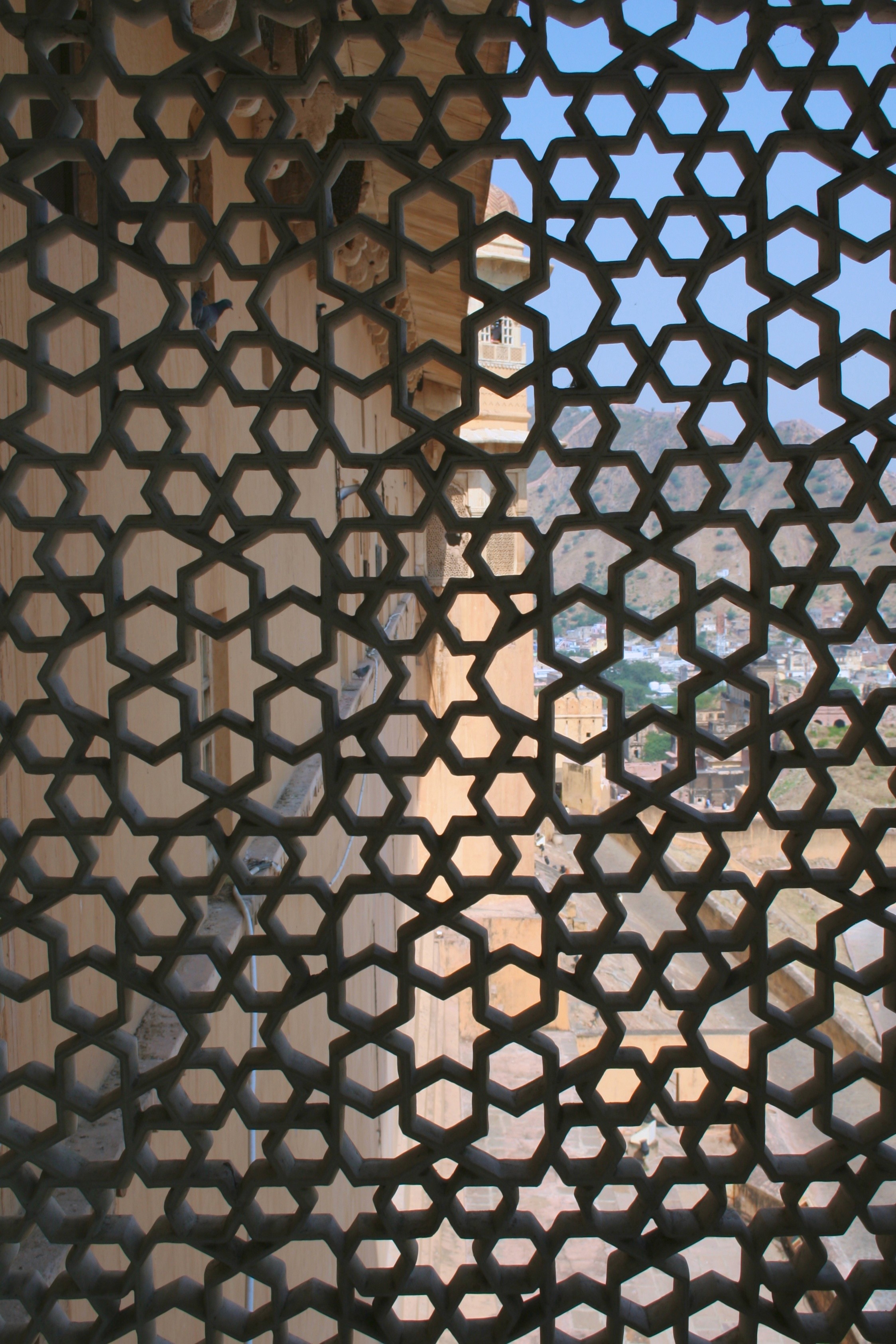
Latticework is a patterned framework made of wood, stone, or metal. It often looks like an interwoven or geometric grid. In architecture, latticework filters light, frames views, allows ventilation and offers privacy at once. Across the Middle East, latticework appears in mashrabiya screens, intricate wooden grids that project from upper floors. They cool the interior, cast patterned shadows, and allow people inside to see out without being seen. In India, latticework appears as jālī stone screens. These can be found in Mughal buildings like the Taj Mahal or Jaipur’s Hawa Mahal. They use geometric or floral patterns to shape light and air throughout the day. These examples show how latticework blends beauty, climate response, and social needs in a single element. Rivendell’s delicate screens and openings can be read in this same way.
What might be the favourite architectural detail of an Elf?
Latticework is a patterned framework made of wood, stone, or metal. It often looks like an interwoven or geometric grid. In architecture, latticework filters light, frames views, allows ventilation and offers privacy at once. Across the Middle East, latticework appears in mashrabiya screens, intricate wooden grids that project from upper floors. They cool the interior, cast patterned shadows, and allow people inside to see out without being seen. In India, latticework appears as jālī stone screens. These can be found in Mughal buildings like the Taj Mahal or Jaipur’s Hawa Mahal. They use geometric or floral patterns to shape light and air throughout the day. These examples show how latticework blends beauty, climate response, and social needs in a single element. Rivendell’s delicate screens and openings can be read in this same way.
What might be the favourite architectural detail of an Elf?
Latticework is a patterned framework made of wood, stone, or metal. It often looks like an interwoven or geometric grid. In architecture, latticework filters light, frames views, allows ventilation and offers privacy at once. Across the Middle East, latticework appears in mashrabiya screens, intricate wooden grids that project from upper floors. They cool the interior, cast patterned shadows, and allow people inside to see out without being seen. In India, latticework appears as jālī stone screens. These can be found in Mughal buildings like the Taj Mahal or Jaipur’s Hawa Mahal. They use geometric or floral patterns to shape light and air throughout the day. These examples show how latticework blends beauty, climate response, and social needs in a single element. Rivendell’s delicate screens and openings can be read in this same way.

III. The Dwarves
III. The Dwarves
III. The Dwarves
“A great hall and cavernous dwelling of Dwarves… vast halls and endless stairs and many-pillared mansions of stone.”
The spaces for Dwarves in Middle-earth are carved deep inside mountains. Their environments seem to celebrate solidity, weight, and endurance. Dwarves shape stone and metal into strict, geometric order. They live shorter lives compared with other races, and it wouldn't be surprising to see how they might be fixated on maintaining permanence.
“A great hall and cavernous dwelling of Dwarves… vast halls and endless stairs and many-pillared mansions of stone.”
The spaces for Dwarves in Middle-earth are carved deep inside mountains. Their environments seem to celebrate solidity, weight, and endurance. Dwarves shape stone and metal into strict, geometric order. They live shorter lives compared with other races, and it wouldn't be surprising to see how they might be fixated on maintaining permanence.
“A great hall and cavernous dwelling of Dwarves… vast halls and endless stairs and many-pillared mansions of stone.”
The spaces for Dwarves in Middle-earth are carved deep inside mountains. Their environments seem to celebrate solidity, weight, and endurance. Dwarves shape stone and metal into strict, geometric order. They live shorter lives compared with other races, and it wouldn't be surprising to see how they might be fixated on maintaining permanence.
Their architecture seems to express a worldview where legacy and ancestry are central. For Dwarves, comfort is found in the mountain. Rock represents home. They carve out enormous internal spaces and feel at ease in their depth and in that mass.
They might gravitate toward:
Large hollowed-out environments carved with precision and filled with columns;
Dark, monochrome palettes of stone, ore, and shadow;
Monolithic order, symmetry, and repetition.
The hardness of rock may serve as a constant stabilizing force in their lives. Dwarven decadence is not about delicacy. It is about monumental presence. Their mastery appears in the vast halls and towering chambers. The mines especially, show massive colonnades that stretch into dizzying perspectives. Their doors are lined with bands of geometric patterns that are repeatable and mathematically precise.
Their mountain cities could be carved to build legacies. At the same time, they may be created to honour their ancestors. Rocks barely weather. They are structural declarations of permanence. Dwarves knew they are mortal, so they may have decided cut their presence into stone. Every pillar and repeating motif becomes a symbol of their endurance.
Their architecture seems to express a worldview where legacy and ancestry are central. For Dwarves, comfort is found in the mountain. Rock represents home. They carve out enormous internal spaces and feel at ease in their depth and in that mass.
They might gravitate toward:
Large hollowed-out environments carved with precision and filled with columns;
Dark, monochrome palettes of stone, ore, and shadow;
Monolithic order, symmetry, and repetition.
The hardness of rock may serve as a constant stabilizing force in their lives. Dwarven decadence is not about delicacy. It is about monumental presence. Their mastery appears in the vast halls and towering chambers. The mines especially, show massive colonnades that stretch into dizzying perspectives. Their doors are lined with bands of geometric patterns that are repeatable and mathematically precise.
Their mountain cities could be carved to build legacies. At the same time, they may be created to honour their ancestors. Rocks barely weather. They are structural declarations of permanence. Dwarves knew they are mortal, so they may have decided cut their presence into stone. Every pillar and repeating motif becomes a symbol of their endurance.
Their architecture seems to express a worldview where legacy and ancestry are central. For Dwarves, comfort is found in the mountain. Rock represents home. They carve out enormous internal spaces and feel at ease in their depth and in that mass.
They might gravitate toward:
Large hollowed-out environments carved with precision and filled with columns;
Dark, monochrome palettes of stone, ore, and shadow;
Monolithic order, symmetry, and repetition.
The hardness of rock may serve as a constant stabilizing force in their lives. Dwarven decadence is not about delicacy. It is about monumental presence. Their mastery appears in the vast halls and towering chambers. The mines especially, show massive colonnades that stretch into dizzying perspectives. Their doors are lined with bands of geometric patterns that are repeatable and mathematically precise.
Their mountain cities could be carved to build legacies. At the same time, they may be created to honour their ancestors. Rocks barely weather. They are structural declarations of permanence. Dwarves knew they are mortal, so they may have decided cut their presence into stone. Every pillar and repeating motif becomes a symbol of their endurance.
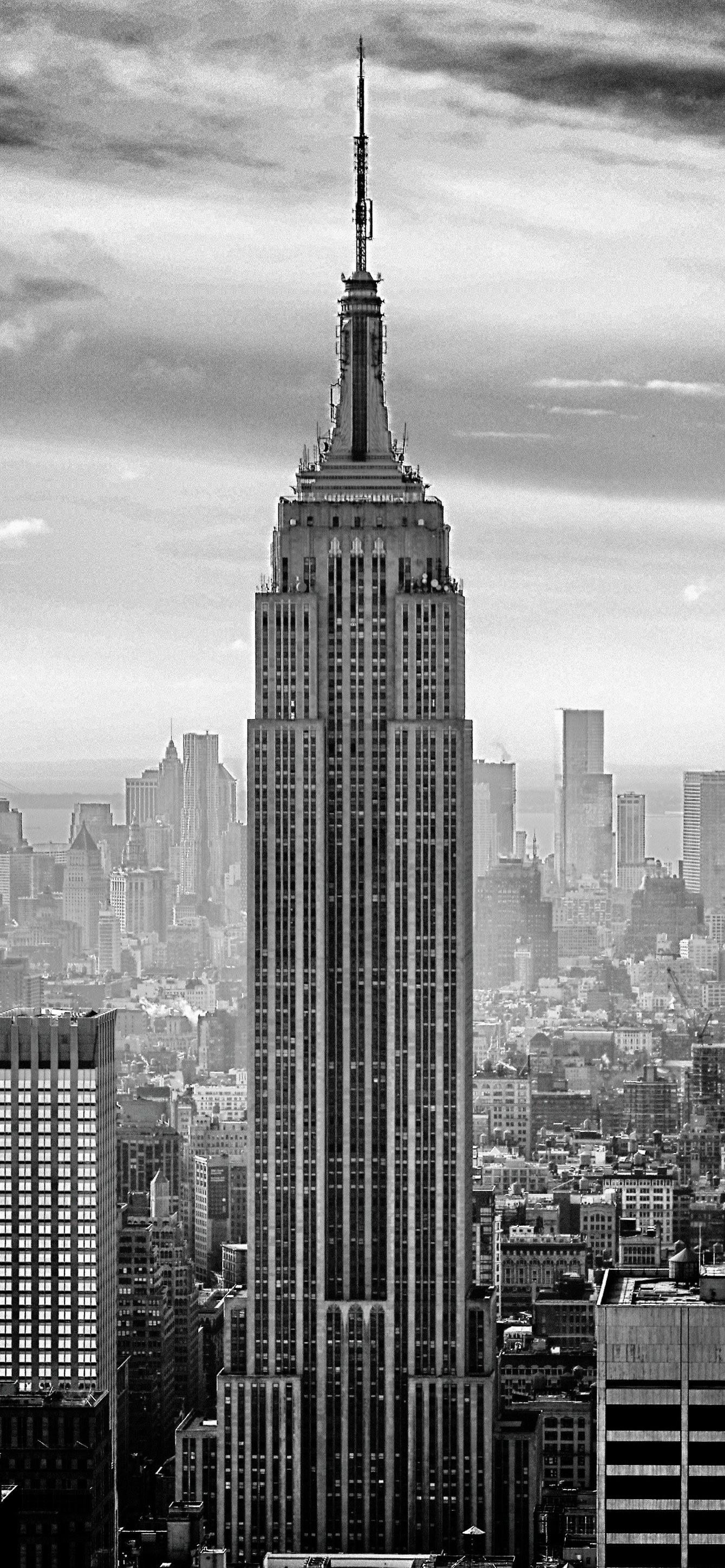
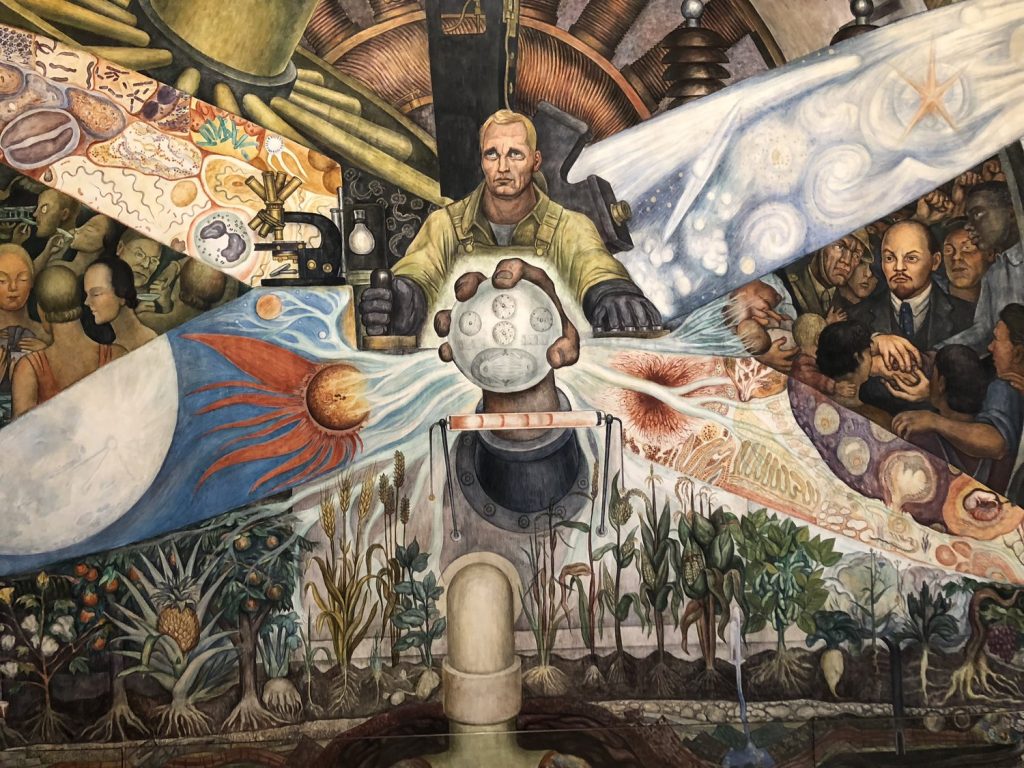
Art Deco emerged in the 1920s and 1930s, when cities were being reshaped by industry, new technologies, and growing cultural confidence. Art Deco buildings often pair heavy stone and metal detailing with sharp, precise geometry. It was a highly influential movement in architecture, known for its boldness, geometric motifs, angular shapes, and above all its weighty and monumental silhouettes.
Both Art Deco designers and Dwarves seem to celebrate the beauty of engineered form. They see geometry as a language of power, structure, and prestige.
Artists like Diego Rivera also helped popularize the movement’s spirit, even outside architecture. In his murals, Rivera celebrated industry, machinery, and the workers who powered modern cities. His strong, simplified shapes and rhythmic compositions mirror the muscular order of Art Deco buildings. Through his work, the style gained a broader cultural life; one where engineering, labour, excess, and monumentality were seen as heroic, much like the Dwarven reverence for craft and permanence.
Art Deco emerged in the 1920s and 1930s, when cities were being reshaped by industry, new technologies, and growing cultural confidence. Art Deco buildings often pair heavy stone and metal detailing with sharp, precise geometry. It was a highly influential movement in architecture, known for its boldness, geometric motifs, angular shapes, and above all its weighty and monumental silhouettes.
Both Art Deco designers and Dwarves seem to celebrate the beauty of engineered form. They see geometry as a language of power, structure, and prestige.
Artists like Diego Rivera also helped popularize the movement’s spirit, even outside architecture. In his murals, Rivera celebrated industry, machinery, and the workers who powered modern cities. His strong, simplified shapes and rhythmic compositions mirror the muscular order of Art Deco buildings. Through his work, the style gained a broader cultural life; one where engineering, labour, excess, and monumentality were seen as heroic, much like the Dwarven reverence for craft and permanence.
Art Deco emerged in the 1920s and 1930s, when cities were being reshaped by industry, new technologies, and growing cultural confidence. Art Deco buildings often pair heavy stone and metal detailing with sharp, precise geometry. It was a highly influential movement in architecture, known for its boldness, geometric motifs, angular shapes, and above all its weighty and monumental silhouettes.
Both Art Deco designers and Dwarves seem to celebrate the beauty of engineered form. They see geometry as a language of power, structure, and prestige.
Artists like Diego Rivera also helped popularize the movement’s spirit, even outside architecture. In his murals, Rivera celebrated industry, machinery, and the workers who powered modern cities. His strong, simplified shapes and rhythmic compositions mirror the muscular order of Art Deco buildings. Through his work, the style gained a broader cultural life; one where engineering, labour, excess, and monumentality were seen as heroic, much like the Dwarven reverence for craft and permanence.
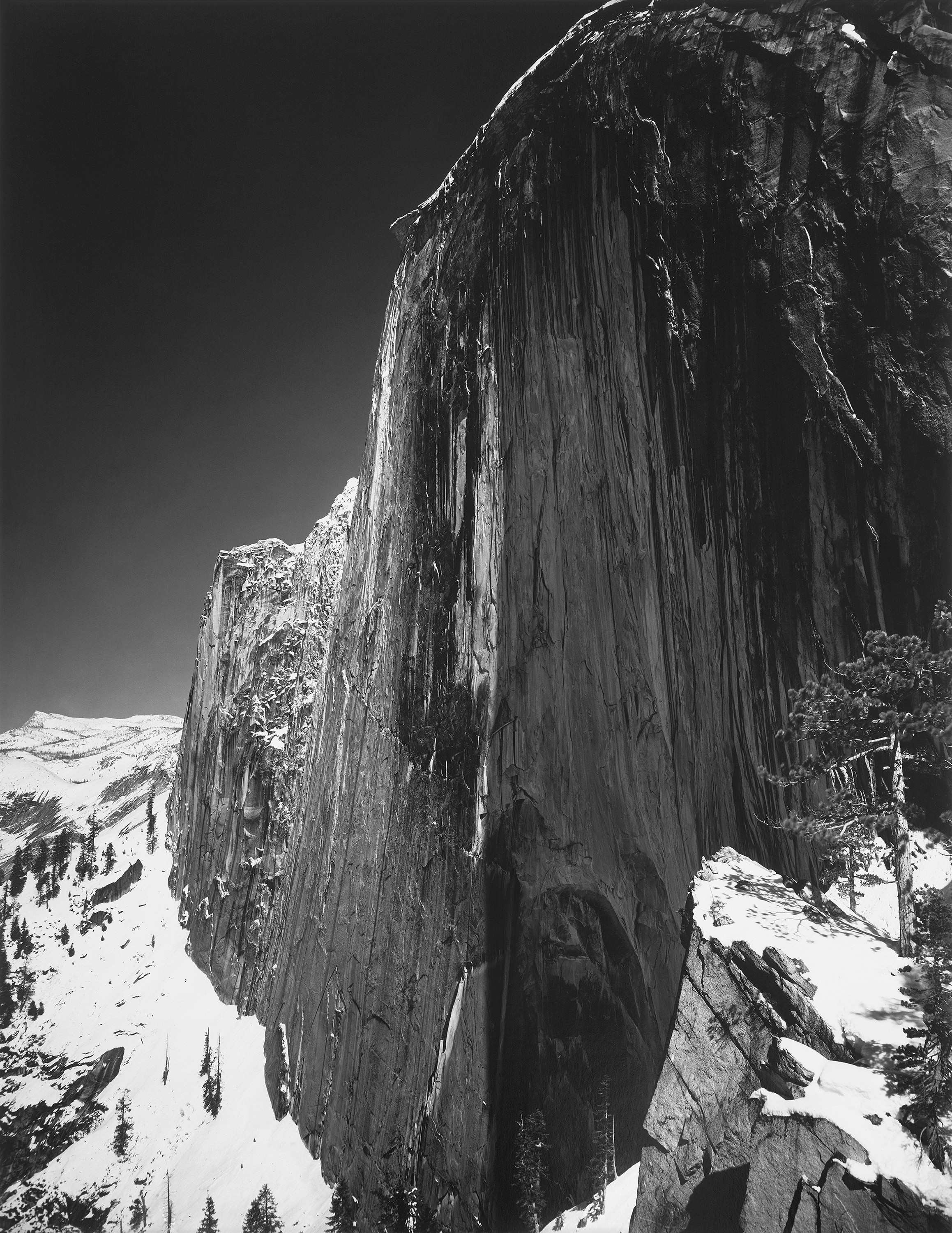
Across history, many cultures have carved architecture directly into stone or mountain faces. These spaces serve as both shelters and ceremonial sites. Stone has always been one of humanity’s oldest architectural partners. When builders carve into a mountain instead of stacking materials on top of it, the result feels both ancient and astonishing, spaces that seem discovered rather than made.
Stone architecture carries a special power: it lets walls, halls, and monuments merge with the landscape itself, blurring the line between natural geology and human craft. Stone can be shaped through subtraction and through assembly. Instead of stacking bricks, builders remove material to reveal forms hidden within the rock.
In the case of Moria, Dwarves may have worked themselves into the mountain to create interiors that are stable, cool, and acoustically rich. In the real world, these kinds of environments have an enduring presence. They prove that architecture can age with the landscape as much as it can be placed on top of it.
Across history, many cultures have carved architecture directly into stone or mountain faces. These spaces serve as both shelters and ceremonial sites. Stone has always been one of humanity’s oldest architectural partners. When builders carve into a mountain instead of stacking materials on top of it, the result feels both ancient and astonishing, spaces that seem discovered rather than made.
Stone architecture carries a special power: it lets walls, halls, and monuments merge with the landscape itself, blurring the line between natural geology and human craft. Stone can be shaped through subtraction and through assembly. Instead of stacking bricks, builders remove material to reveal forms hidden within the rock.
In the case of Moria, Dwarves may have worked themselves into the mountain to create interiors that are stable, cool, and acoustically rich. In the real world, these kinds of environments have an enduring presence. They prove that architecture can age with the landscape as much as it can be placed on top of it.
Across history, many cultures have carved architecture directly into stone or mountain faces. These spaces serve as both shelters and ceremonial sites. Stone has always been one of humanity’s oldest architectural partners. When builders carve into a mountain instead of stacking materials on top of it, the result feels both ancient and astonishing, spaces that seem discovered rather than made.
Stone architecture carries a special power: it lets walls, halls, and monuments merge with the landscape itself, blurring the line between natural geology and human craft. Stone can be shaped through subtraction and through assembly. Instead of stacking bricks, builders remove material to reveal forms hidden within the rock.
In the case of Moria, Dwarves may have worked themselves into the mountain to create interiors that are stable, cool, and acoustically rich. In the real world, these kinds of environments have an enduring presence. They prove that architecture can age with the landscape as much as it can be placed on top of it.
Dwarven architecture calls to mind early 20th-century architecture, perhaps because no other movement projects permanence and authority quite like Art Deco. Buildings with Art Deco motifs have long been sponsored by governments, financial institutions, and large public bodies as a signal of national ambition and pride. Buildings from this era were meant to last and to define skylines for generations. This attitude closely mirrors the Dwarven desire to build monuments that assert industriousness and mastery. The Dwarves seem to pay attention to what remains meaningful long after their makers are gone.
Dwarven architecture calls to mind early 20th-century architecture, perhaps because no other movement projects permanence and authority quite like Art Deco. Buildings with Art Deco motifs have long been sponsored by governments, financial institutions, and large public bodies as a signal of national ambition and pride. Buildings from this era were meant to last and to define skylines for generations. This attitude closely mirrors the Dwarven desire to build monuments that assert industriousness and mastery. The Dwarves seem to pay attention to what remains meaningful long after their makers are gone.
Dwarven architecture calls to mind early 20th-century architecture, perhaps because no other movement projects permanence and authority quite like Art Deco. Buildings with Art Deco motifs have long been sponsored by governments, financial institutions, and large public bodies as a signal of national ambition and pride. Buildings from this era were meant to last and to define skylines for generations. This attitude closely mirrors the Dwarven desire to build monuments that assert industriousness and mastery. The Dwarves seem to pay attention to what remains meaningful long after their makers are gone.
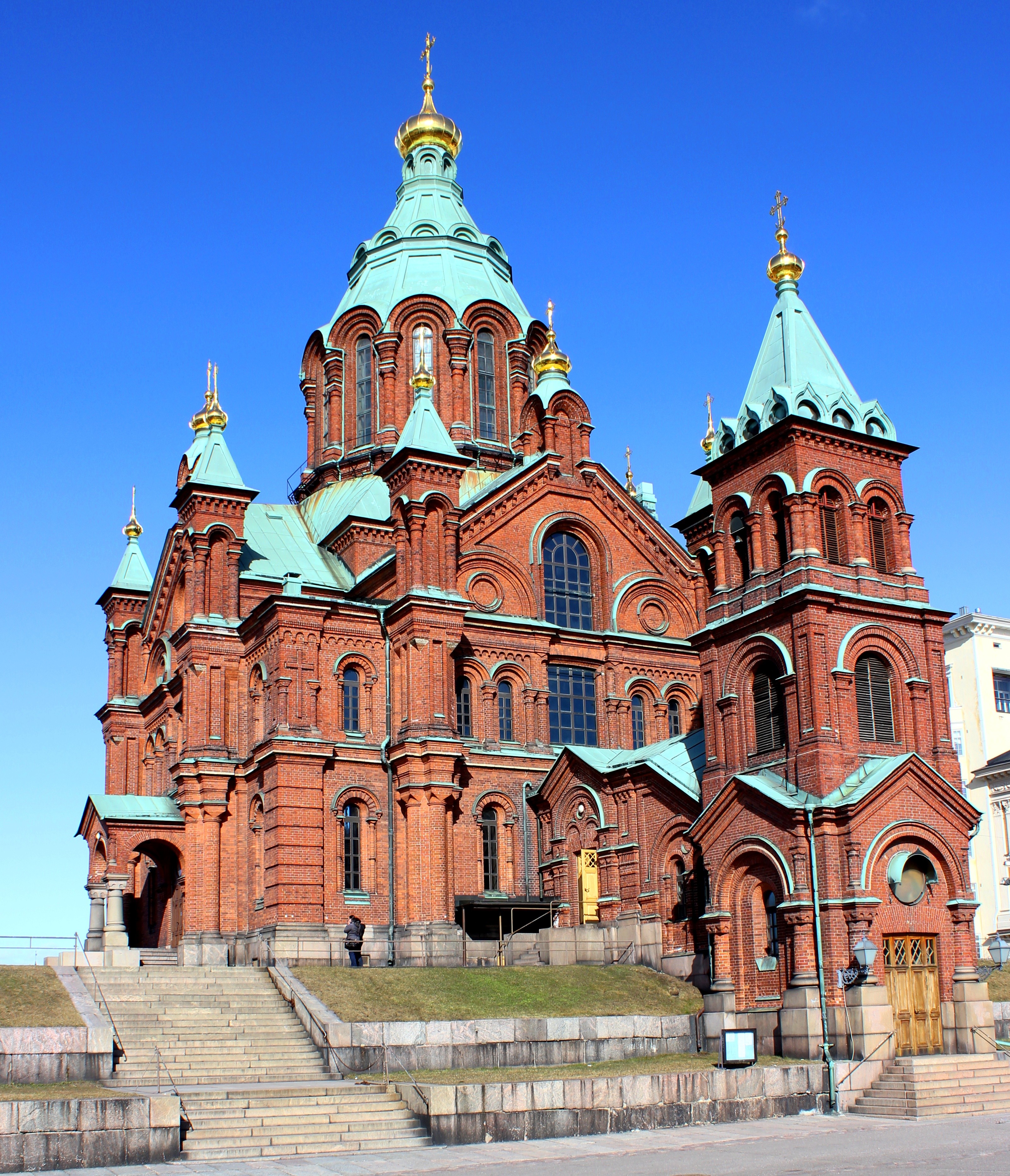
Finnish Pentagonal Archs
Finland’s early 20th-century National Romantic style offers another parallel, especially in Helsinki. In this style, we see hard granite façades, deep-set entrances, and large stone blocks arranged in rhythmic patterns. These features point to a love for tough materials and carved out monumentalism. The pentagonal arch—an arch with five sides—is rare in real-world architecture, but it feels very Dwarven. Its strong angles and faceted planes match the Dwarven preference for order.
Finnish Pentagonal Archs
Finland’s early 20th-century National Romantic style offers another parallel, especially in Helsinki. In this style, we see hard granite façades, deep-set entrances, and large stone blocks arranged in rhythmic patterns. These features point to a love for tough materials and carved out monumentalism. The pentagonal arch—an arch with five sides—is rare in real-world architecture, but it feels very Dwarven. Its strong angles and faceted planes match the Dwarven preference for order.
Finnish Pentagonal Archs
Finland’s early 20th-century National Romantic style offers another parallel, especially in Helsinki. In this style, we see hard granite façades, deep-set entrances, and large stone blocks arranged in rhythmic patterns. These features point to a love for tough materials and carved out monumentalism. The pentagonal arch—an arch with five sides—is rare in real-world architecture, but it feels very Dwarven. Its strong angles and faceted planes match the Dwarven preference for order.
Nabataean Legacy
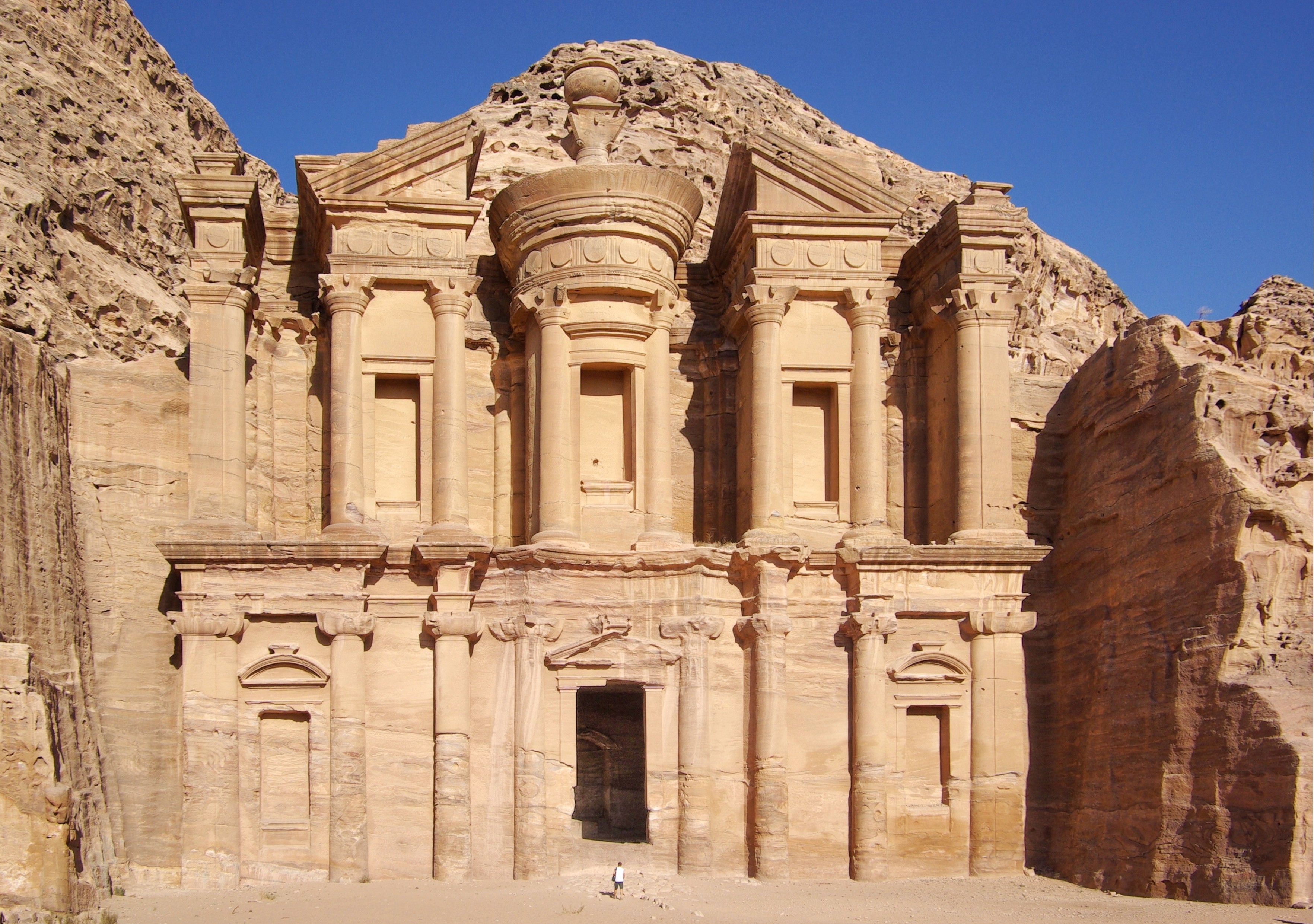
The Nabataean city of Petra is a powerful comparison to the architecture of Dwarves. Its tombs, temples, and ceremonial gateways are cut directly into rose-coloured cliffs. The sandstone there is relatively soft, which made it possible to carve large surfaces with precision. Builders used subtraction to reveal monumental façades from within the rock. Despite the stone’s softness, the results are massive and grand. This sense of scale and ambition echoes the imagined underground halls of Middle-earth, where the mountain itself becomes both structure and stage.
Nabataean Legacy
The Nabataean city of Petra is a powerful comparison to the architecture of Dwarves. Its tombs, temples, and ceremonial gateways are cut directly into rose-coloured cliffs. The sandstone there is relatively soft, which made it possible to carve large surfaces with precision. Builders used subtraction to reveal monumental façades from within the rock. Despite the stone’s softness, the results are massive and grand. This sense of scale and ambition echoes the imagined underground halls of Middle-earth, where the mountain itself becomes both structure and stage.
Nabataean Legacy
The Nabataean city of Petra is a powerful comparison to the architecture of Dwarves. Its tombs, temples, and ceremonial gateways are cut directly into rose-coloured cliffs. The sandstone there is relatively soft, which made it possible to carve large surfaces with precision. Builders used subtraction to reveal monumental façades from within the rock. Despite the stone’s softness, the results are massive and grand. This sense of scale and ambition echoes the imagined underground halls of Middle-earth, where the mountain itself becomes both structure and stage.
Ajanta & Ellora Caves
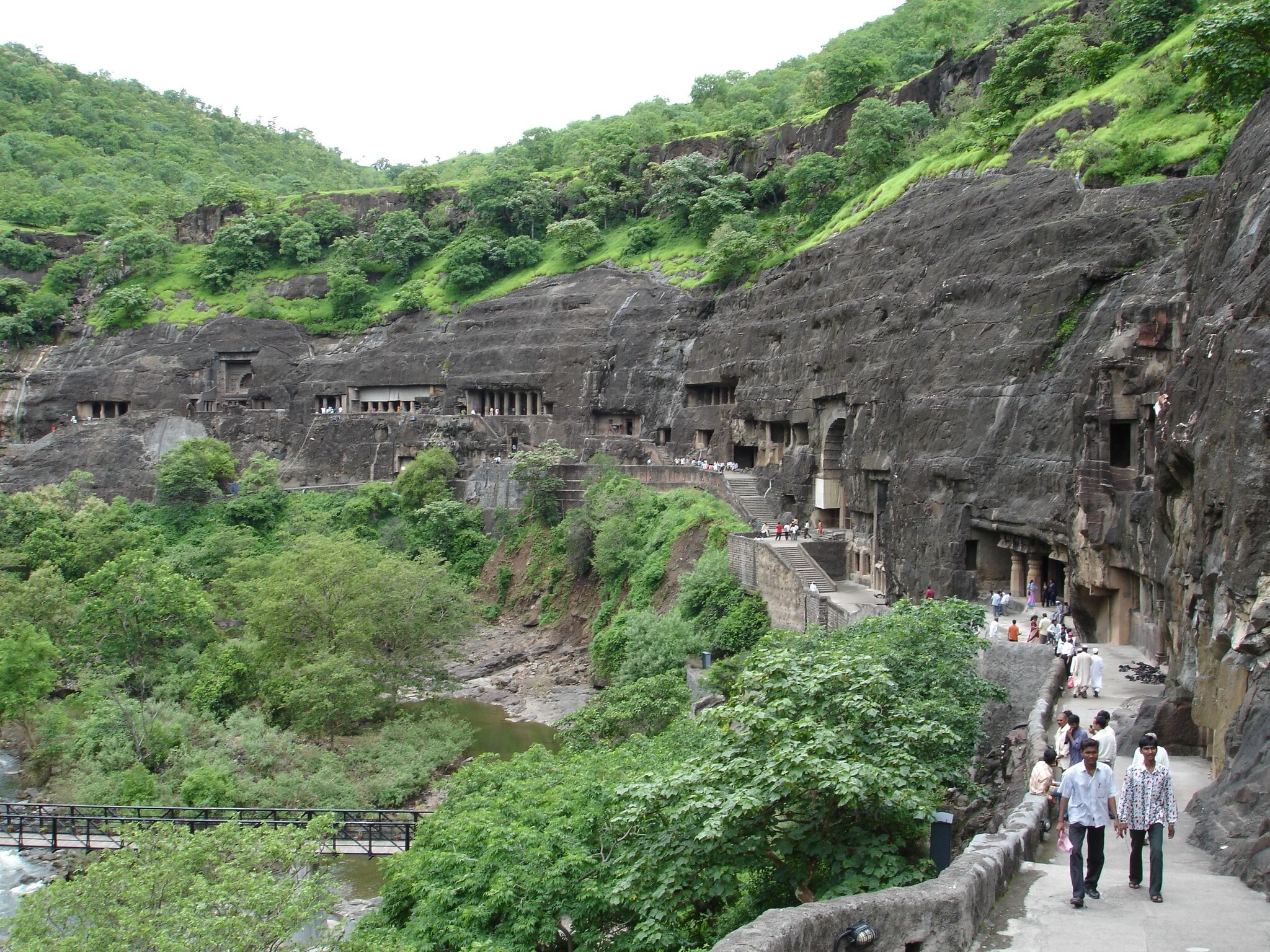
The Ajanta and Ellora caves of India demonstrate how entire architectural worlds can be carved into cliffs. Instead of building upward, artisans carved into the rock to reveal a microcosm of art, complete with its own columns, halls, shrines, sculptures, and reliefs.
Structure and ornament flow from the same material, creating a seamless presence. The architecture is almost geological, as if it grew from and around the rock. At the same time, the sheer scale of these complexes reflects a refusal to be forgotten. The makers inscribed their devotion, skill, and identity into the mountain itself, much like Dwarves do in Tolkien’s world.
Ajanta & Ellora Caves
The Ajanta and Ellora caves of India demonstrate how entire architectural worlds can be carved into cliffs. Instead of building upward, artisans carved into the rock to reveal a microcosm of art, complete with its own columns, halls, shrines, sculptures, and reliefs.
Structure and ornament flow from the same material, creating a seamless presence. The architecture is almost geological, as if it grew from and around the rock. At the same time, the sheer scale of these complexes reflects a refusal to be forgotten. The makers inscribed their devotion, skill, and identity into the mountain itself, much like Dwarves do in Tolkien’s world.
Ajanta & Ellora Caves
The Ajanta and Ellora caves of India demonstrate how entire architectural worlds can be carved into cliffs. Instead of building upward, artisans carved into the rock to reveal a microcosm of art, complete with its own columns, halls, shrines, sculptures, and reliefs. Structure and ornament flow from the same material, creating a seamless presence. The architecture is almost geological, as if it grew from and around the rock. At the same time, the sheer scale of these complexes reflects a refusal to be forgotten. The makers inscribed their devotion, skill, and identity into the mountain itself, much like Dwarves do in Tolkien’s world.
Mortality as Motivation
Dwarves do not have endless time. Their lifespans are long, but not eternal. This awareness of mortality shapes their craft. Therefore, their work is driven by urgency: the need to leave behind a legacy that will last. Their artistry seems exacting and defiant, made from hefty tools, chiselled forms, and immense fortitude and effort. These may be signatures of their pride. For Dwarves, the mountain is both the canvas and the archive.
Mortality as Motivation
Dwarves do not have endless time. Their lifespans are long, but not eternal. This awareness of mortality shapes their craft. Therefore, their work is driven by urgency: the need to leave behind a legacy that will last. Their artistry seems exacting and defiant, made from hefty tools, chiselled forms, and immense fortitude and effort. These may be signatures of their pride. For Dwarves, the mountain is both the canvas and the archive.
Mortality as Motivation
Dwarves do not have endless time. Their lifespans are long, but not eternal. This awareness of mortality shapes their craft. Therefore, their work is driven by urgency: the need to leave behind a legacy that will last. Their artistry seems exacting and defiant, made from hefty tools, chiselled forms, and immense fortitude and effort. These may be signatures of their pride. For Dwarves, the mountain is both the canvas and the archive.
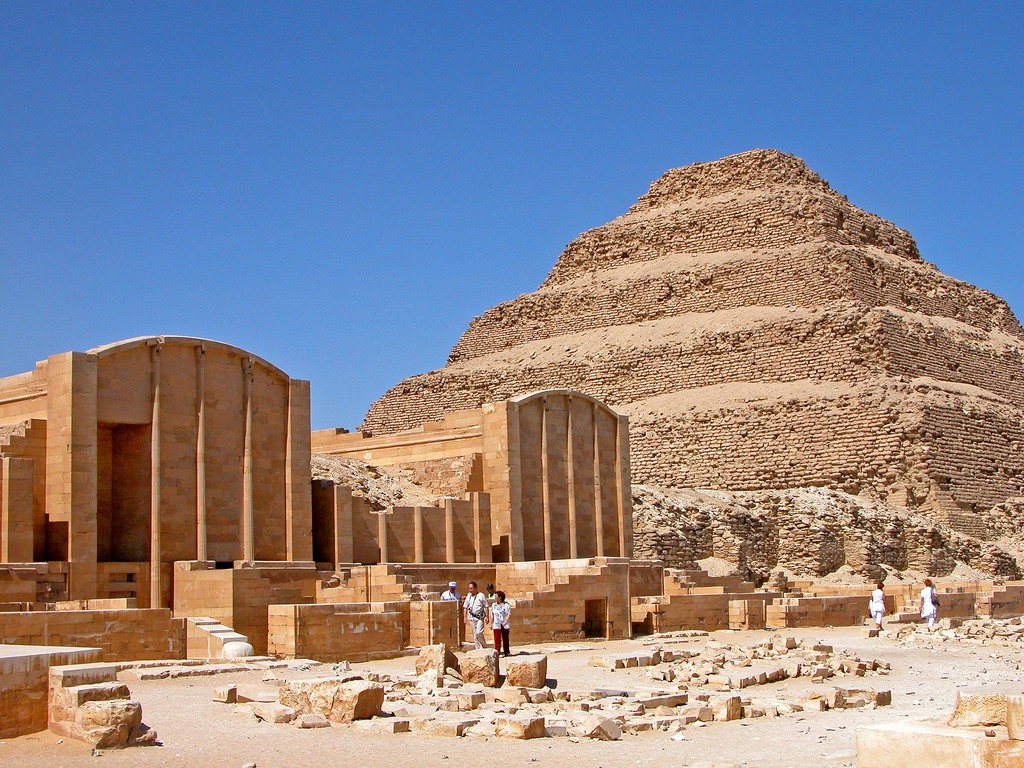
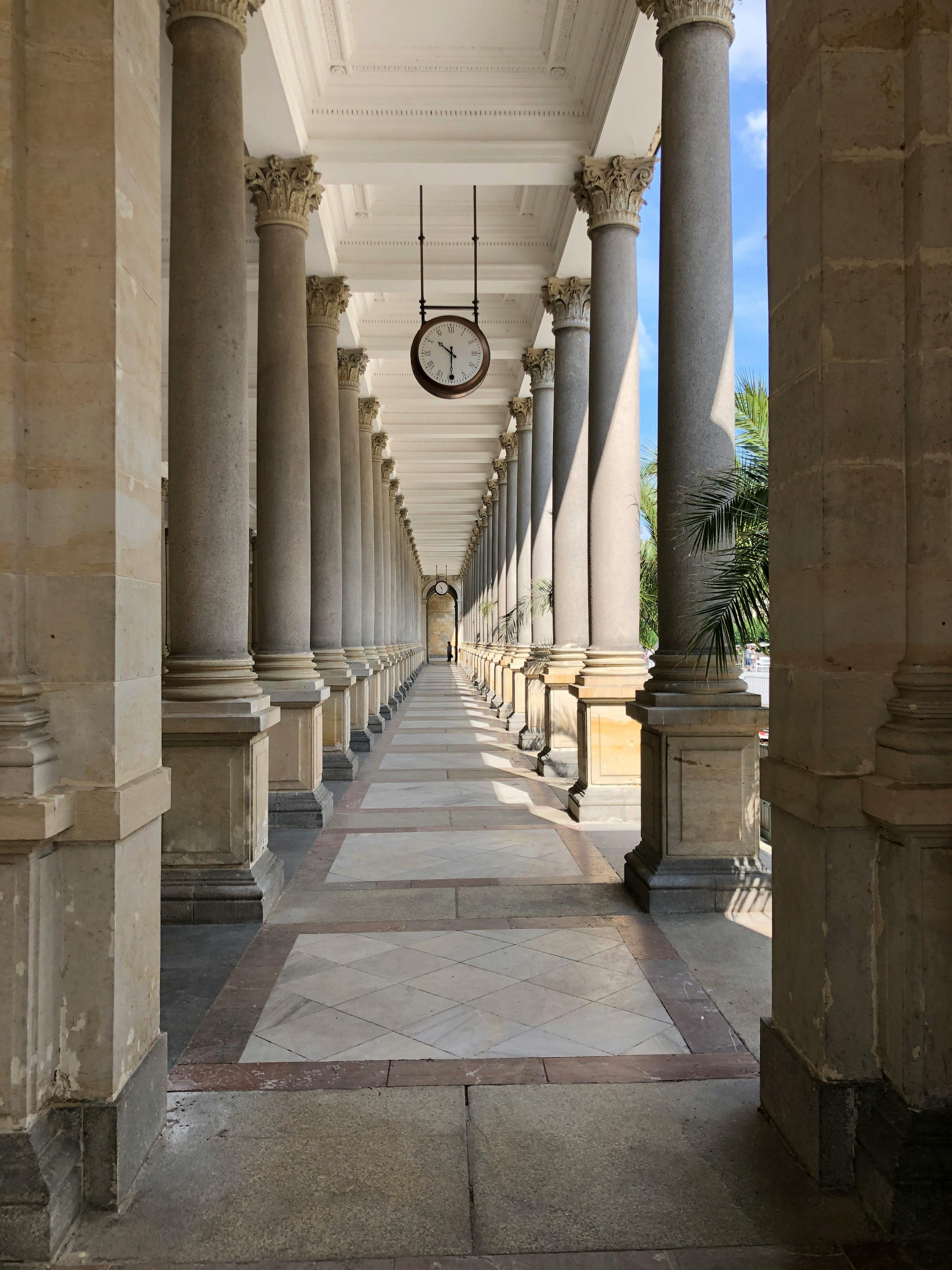
What might be the favourite architectural detail of an Dwarf?
A colonnade is a row of evenly spaced columns holding up a horizontal element, such as a roof, a cornice, or a covered walkway. Colonnades create rhythm by repeating the same structural element, guide movement by forming corridors or paths, frame entrances or provide intermittent shade along important routes. In ancient Greek and Roman architecture, colonnades were used around temples, forums, and public squares. They shaped how people approached and experienced civic spaces, by heightening a sense of procession and ceremony. They are an example of how repetition, scale, and proportion come together to make a space both structurally sound and visually memorable.
What might be the favourite architectural detail of an Dwarf?
A colonnade is a row of evenly spaced columns holding up a horizontal element, such as a roof, a cornice, or a covered walkway. Colonnades create rhythm by repeating the same structural element, guide movement by forming corridors or paths, frame entrances or provide intermittent shade along important routes. In ancient Greek and Roman architecture, colonnades were used around temples, forums, and public squares. They shaped how people approached and experienced civic spaces, by heightening a sense of procession and ceremony. They are an example of how repetition, scale, and proportion come together to make a space both structurally sound and visually memorable.
What might be the favourite architectural detail of an Dwarf?
A colonnade is a row of evenly spaced columns holding up a horizontal element, such as a roof, a cornice, or a covered walkway. Colonnades create rhythm by repeating the same structural element, guide movement by forming corridors or paths, frame entrances or provide intermittent shade along important routes. In ancient Greek and Roman architecture, colonnades were used around temples, forums, and public squares. They shaped how people approached and experienced civic spaces, by heightening a sense of procession and ceremony. They are an example of how repetition, scale, and proportion come together to make a space both structurally sound and visually memorable.
A Tribute to Alan lee
A Tribute to Alan lee
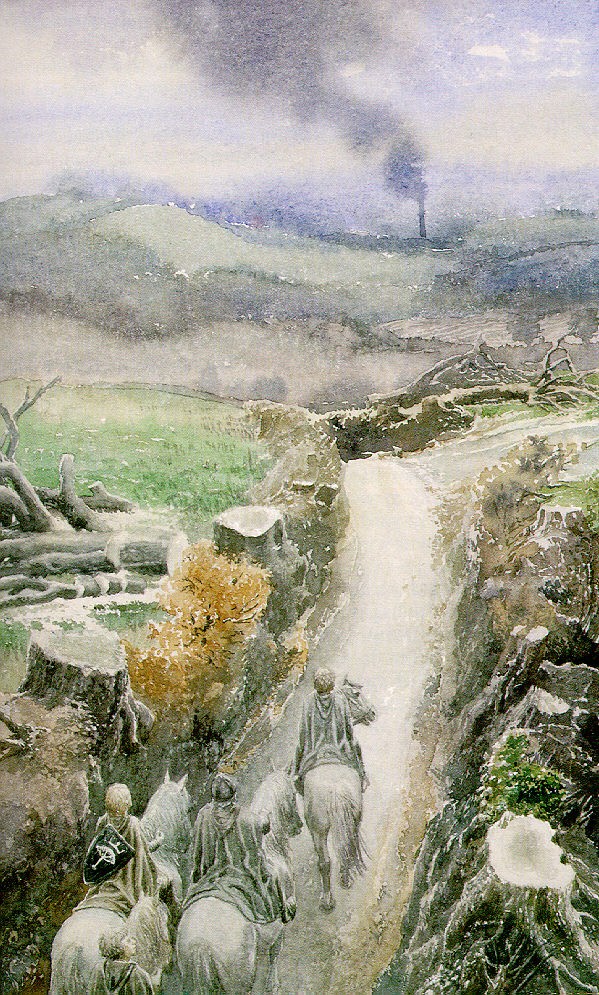
Alan Lee’s visual work for The Lord of the Rings has become deeply tied to how many readers imagine Middle-earth. Long before the films, he was known for atmospheric watercolours that are soft, luminous, and richly textured.
His paintings have brought a sense of archaeological realism to mythic landscapes. His illustrations for the 1991 centenary edition of The Lord of the Rings were especially important. He did not simply “illustrate” key scenes, but created whole environments that felt weathered, inhabited, and culturally specific. Every stone, rivet, and tree root seemed to carry a history. Although Lee never met Tolkien, who died in 1973, his work often feels like a visual collaboration with the author. Lee immersed himself in Tolkien’s notes, language histories, sketches. He treated these not as strict rules, but as invitations to expand the realms with care. Tolkien himself had a strong visual imagination and made drawings of his own. Lee respected these early images and used them as anchors. Around them, he layered mist, embraced scale, and depicted unforgettable landscapes.
In doing so, he became an interpreter of Tolkien’s imagination, translating it into a consistent visual language. Lee’s process for building imagined worlds was slow and craft-centred. He often started with studies of real places: cliffs, forests, and ruins. He would then distil these into Middle-earth versions. His landscapes are never generic fantasy backdrops. They borrow from existing traditions like Celtic megaliths, Norse wood-carving, Roman architecture, and the light of the English countryside. He painted 'as though the scenes really existed,' giving even fantastical spaces a grounded, historical feel. When director Peter Jackson invited him to co-lead the conceptual design for the film trilogy, Lee’s illustrations became working blueprints for the movie sets. He also worked with miniatures and digital environments.
His practice-part historian, part world-builder, part painter-gave Tolkien’s cities a visual presence rooted in myth and material culture.
Alan Lee’s visual work for The Lord of the Rings has become deeply tied to how many readers imagine Middle-earth. Long before the films, he was known for atmospheric watercolours that are soft, luminous, and richly textured.
His paintings have brought a sense of archaeological realism to mythic landscapes. His illustrations for the 1991 centenary edition of The Lord of the Rings were especially important. He did not simply “illustrate” key scenes, but created whole environments that felt weathered, inhabited, and culturally specific. Every stone, rivet, and tree root seemed to carry a history. Although Lee never met Tolkien, who died in 1973, his work often feels like a visual collaboration with the author. Lee immersed himself in Tolkien’s notes, language histories, sketches. He treated these not as strict rules, but as invitations to expand the realms with care. Tolkien himself had a strong visual imagination and made drawings of his own. Lee respected these early images and used them as anchors. Around them, he layered mist, embraced scale, and depicted unforgettable landscapes.
In doing so, he became an interpreter of Tolkien’s imagination, translating it into a consistent visual language. Lee’s process for building imagined worlds was slow and craft-centred. He often started with studies of real places: cliffs, forests, and ruins. He would then distil these into Middle-earth versions. His landscapes are never generic fantasy backdrops. They borrow from existing traditions like Celtic megaliths, Norse wood-carving, Roman architecture, and the light of the English countryside. He painted 'as though the scenes really existed,' giving even fantastical spaces a grounded, historical feel. When director Peter Jackson invited him to co-lead the conceptual design for the film trilogy, Lee’s illustrations became working blueprints for the movie sets. He also worked with miniatures and digital environments.
His practice-part historian, part world-builder, part painter-gave Tolkien’s cities a visual presence rooted in myth and material culture.
A Tribute to Alan lee
Alan Lee’s visual work for The Lord of the Rings has become deeply tied to how many readers imagine Middle-earth. Long before the films, he was known for atmospheric watercolours that are soft, luminous, and richly textured.
His paintings have brought a sense of archaeological realism to mythic landscapes. His illustrations for the 1991 centenary edition of The Lord of the Rings were especially important. He did not simply “illustrate” key scenes, but created whole environments that felt weathered, inhabited, and culturally specific. Every stone, rivet, and tree root seemed to carry a history. Although Lee never met Tolkien, who died in 1973, his work often feels like a visual collaboration with the author. Lee immersed himself in Tolkien’s notes, language histories, sketches. He treated these not as strict rules, but as invitations to expand the realms with care. Tolkien himself had a strong visual imagination and made drawings of his own. Lee respected these early images and used them as anchors. Around them, he layered mist, embraced scale, and depicted unforgettable landscapes.
In doing so, he became an interpreter of Tolkien’s imagination, translating it into a consistent visual language. Lee’s process for building imagined worlds was slow and craft-centred. He often started with studies of real places: cliffs, forests, and ruins. He would then distil these into Middle-earth versions. His landscapes are never generic fantasy backdrops. They borrow from existing traditions like Celtic megaliths, Norse wood-carving, Roman architecture, and the light of the English countryside. He painted 'as though the scenes really existed,' giving even fantastical spaces a grounded, historical feel. When director Peter Jackson invited him to co-lead the conceptual design for the film trilogy, Lee’s illustrations became working blueprints for the movie sets. He also worked with miniatures and digital environments.
His practice-part historian, part world-builder, part painter-gave Tolkien’s cities a visual presence rooted in myth and material culture.
Picture Gallery
Picture Gallery
Picture Gallery
Welcome to our gallery showcasing visuals from our deep-dive video on the three great races of The Lord of the Rings: Men, Dwarves, and Elves. Here you’ll find a selection of some renders crafted for the video by our incredibly talented asset artists: Pablo Yanez, Sindy Tang, Mehmat Abdelhadi, and Jason Yin. Enjoy this behind-the-scenes look at the artistry that brings Middle-earth to life and thank you for reading our Research booklet! Check out the video here.
Welcome to our gallery showcasing visuals from our deep-dive video on the three great races of The Lord of the Rings: Men, Dwarves, and Elves. Here you’ll find a selection of some renders crafted for the video by our incredibly talented asset artists: Pablo Yanez, Sindy Tang, Mehmat Abdelhadi, and Jason Yin. Enjoy this behind-the-scenes look at the artistry that brings Middle-earth to life and thank you for reading our Research booklet! Check out the video here.
Welcome to our gallery showcasing visuals from our deep-dive video on the three great races of The Lord of the Rings: Men, Dwarves, and Elves. Here you’ll find a selection of some renders crafted for the video by our incredibly talented asset artists: Pablo Yanez, Sindy Tang, Mehmat Abdelhadi, and Jason Yin. Enjoy this behind-the-scenes look at the artistry that brings Middle-earth to life and thank you for reading our Research booklet! Check out the video here.
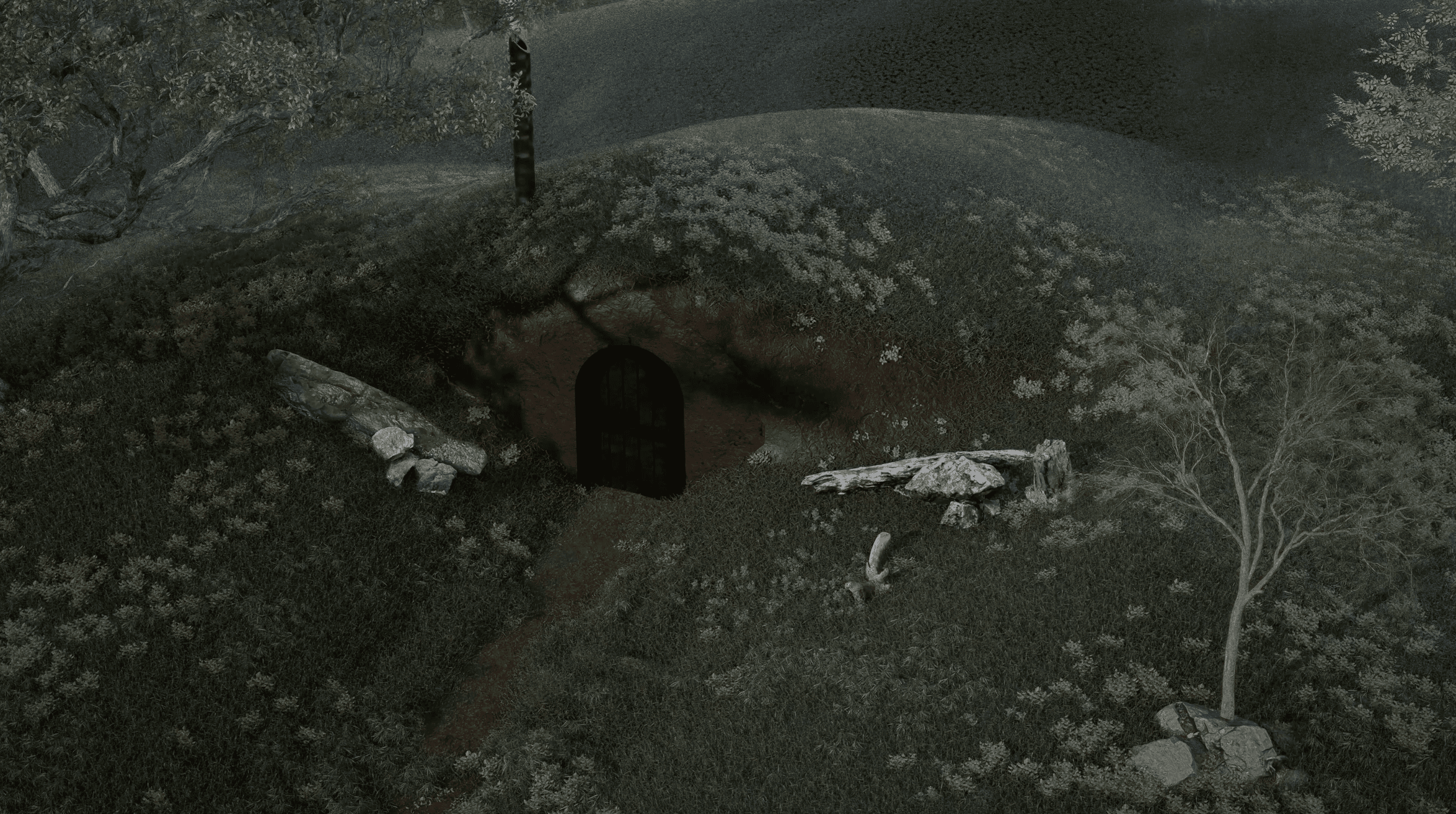

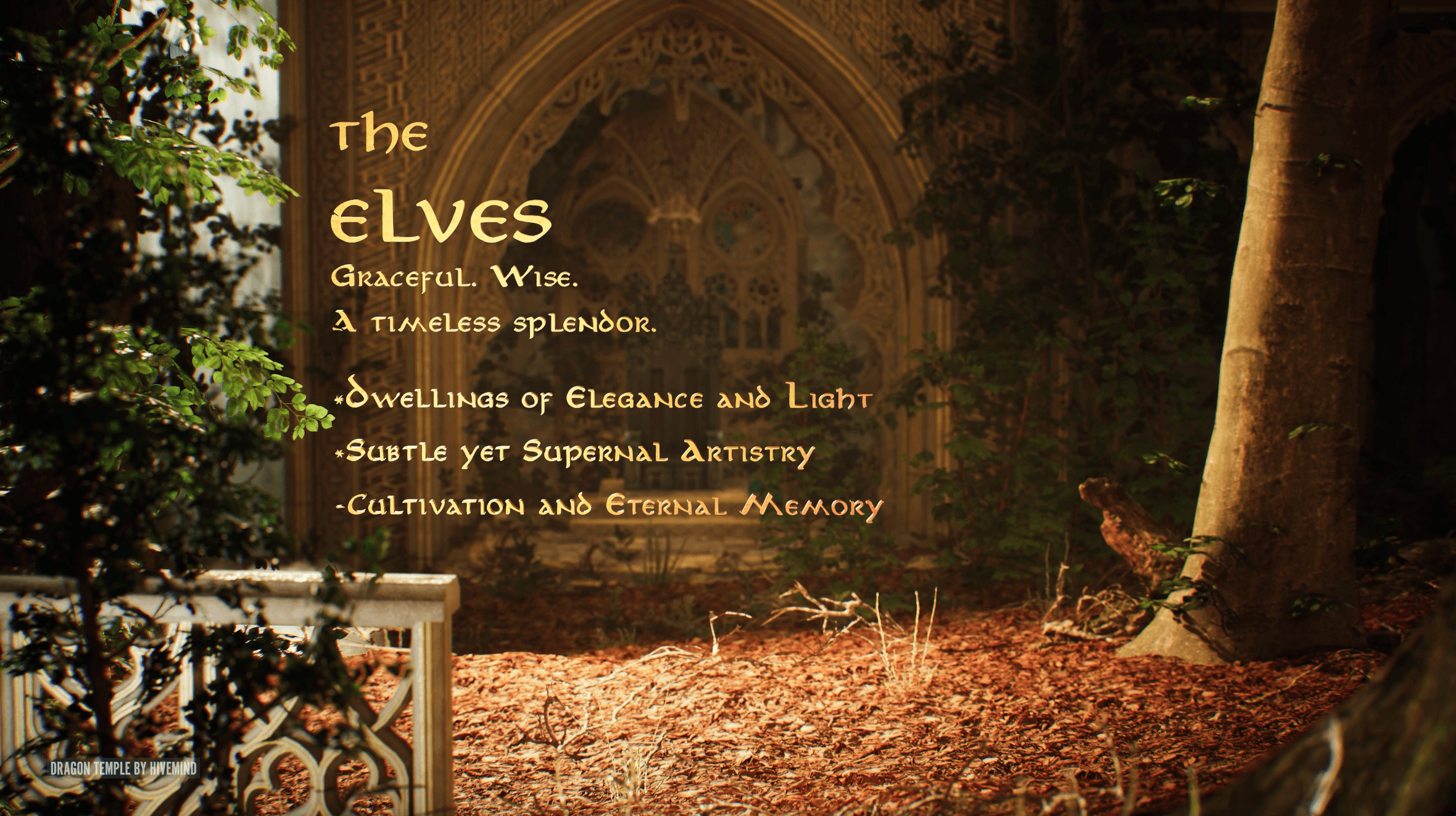
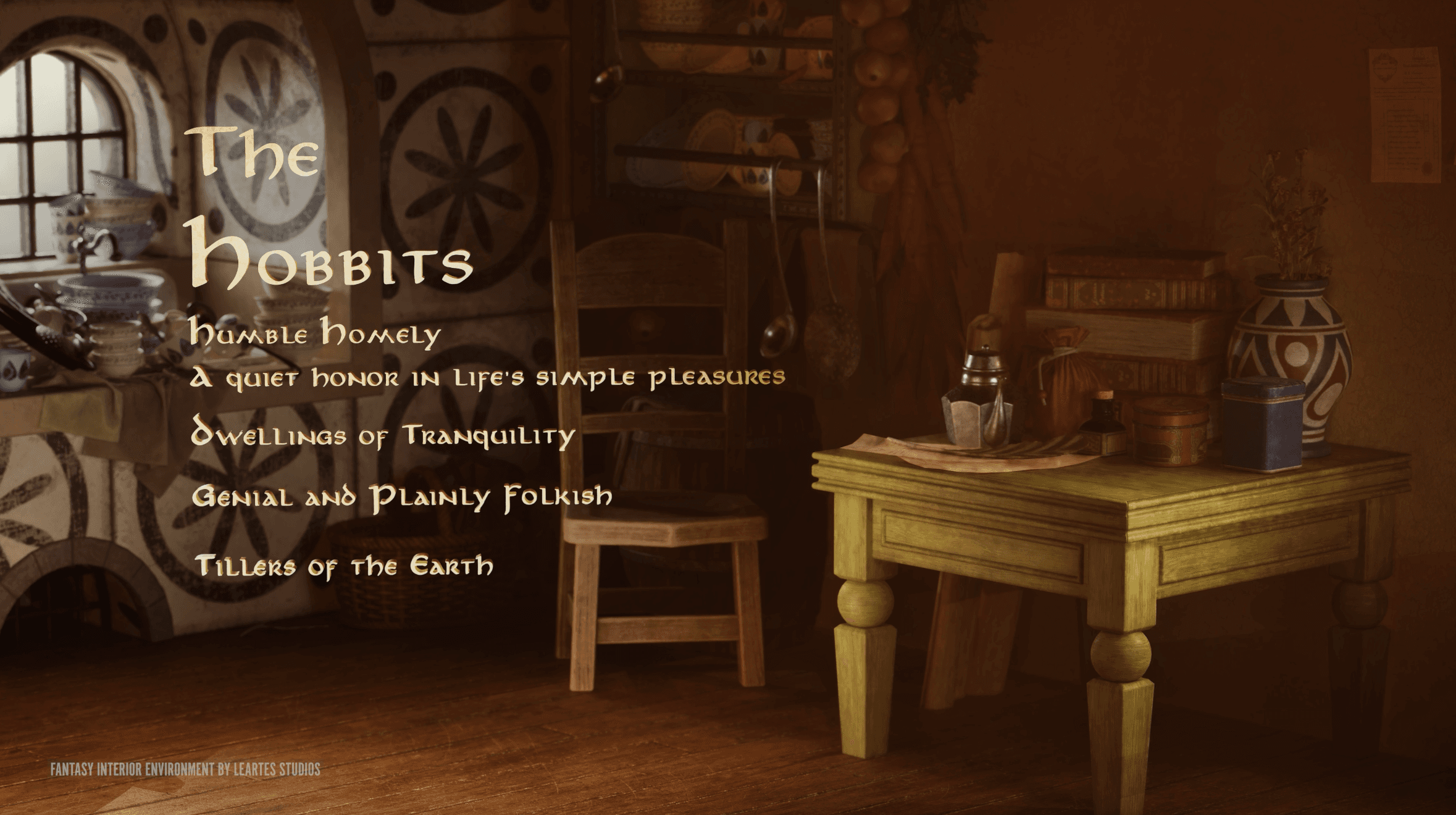
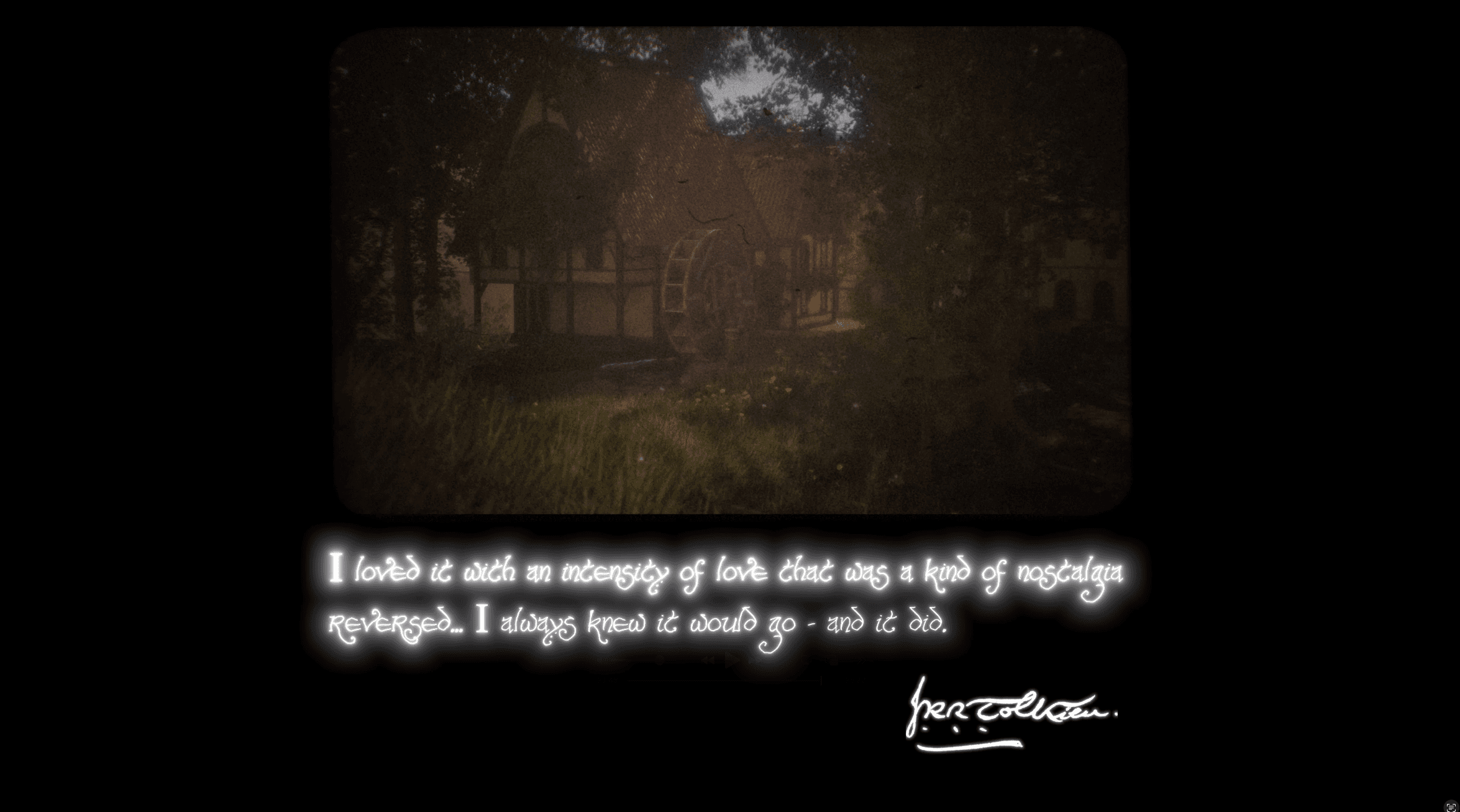

Terms & Conditions
Privacy Policy
ABOUT US
I. The Hobbits
Beneath the hills of the Shire lies a world carved from warmth, instinct, and memory. Hobbit-holes are more than homes—they’re shelters against a changing world, shaped by the deep, ancient urge to hide from what lies beyond the door. In the curve of every tunnel and the glow of every lamp, the Shire whispers a secret fear Tolkien carried his whole life: that paradise can vanish long before you’re ready to let it go.
II. The elves
Elven realms hover somewhere between dream and daylight—cities that seem grown from moonlight, water, and the hush of ancient forests. Their architecture feels less built than remembered, as if the trees and stones themselves agreed to hold shape for a little while. From Rivendell’s cascading arches to the golden flets of Lothlórien, the elves show us a vision of what the world could be.
III. The Dwarves
Deep in the mountains, where sunlight becomes myth, the dwarves carve out vast kingdoms of stone and shadow. Every pillar, every echoing hall feels like a challenge flung at eternity—geometry sharpened into defiance. In the darkness of Moria and Erebor, the dwarves reveal their truth: when life is brief and memory fragile, you carve your legacy into the very bones of the world.